
The sector relies heavily on events
Even though the number of foreign tourists in Lithuania is generally rising, the hospitality industry remains highly dependent on events.
„The curve of hotel occupancy and average room rate rose sharply last year whenever a major event took place in the country. It was also observed that events in other cities, due to limited accommodation supply, boosted occupancy in Vilnius hotels,“ says Agnė Lingytė-Grybauskienė, Director of the Darnu Group’s Hotel Operations.
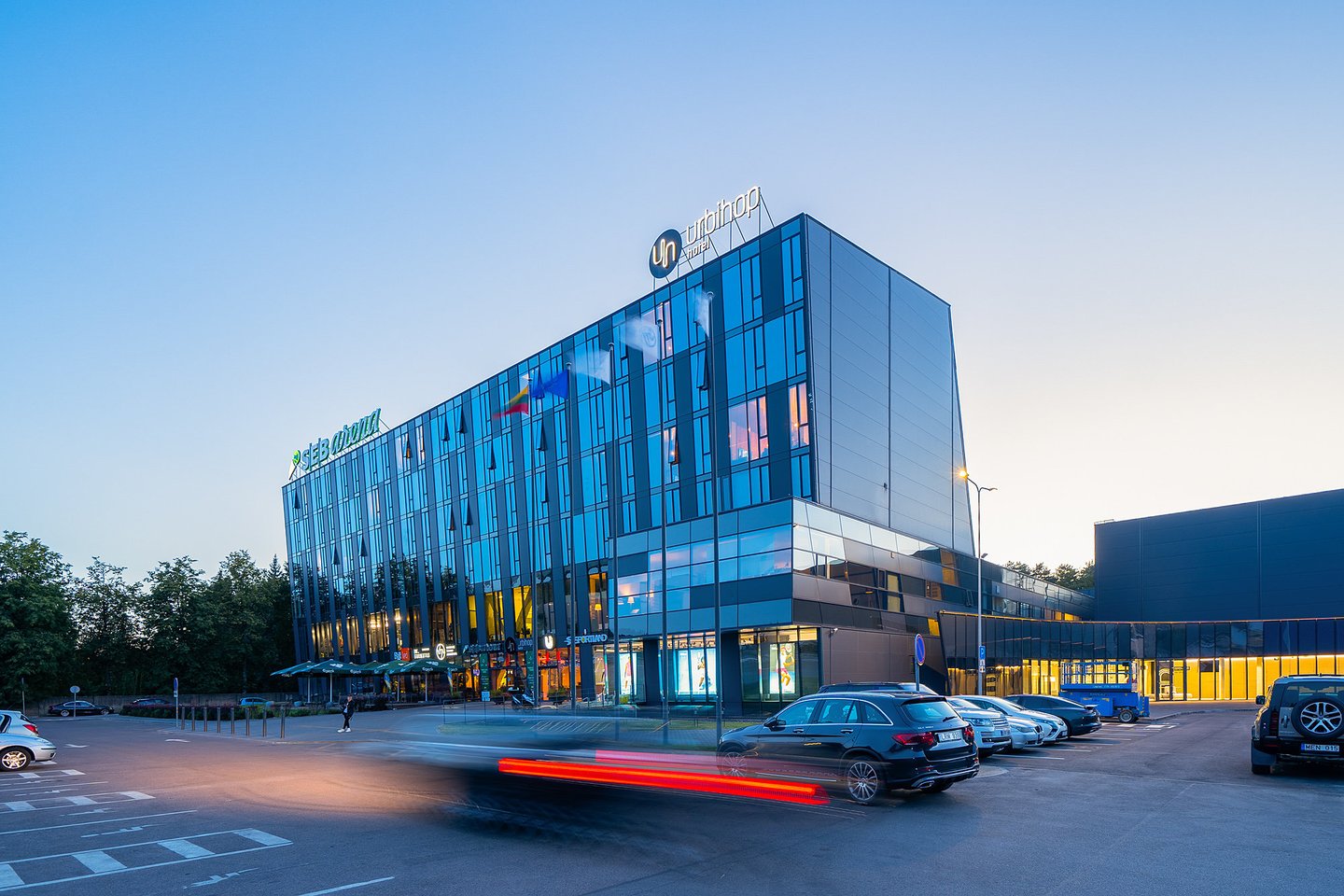
Urbihop's occupancy rate in 2025 was 87%, similar to that in 2024. At the same time, the strong growth in turnover was mainly due to large-scale events that attracted many athletes to the hotel. The SEB Arena hosted the Billie Jean King Cup women's tennis competition, the International Tennis Coaches' Conference, and the FIBA U18 Women's Basketball European Championship Division B Tournament, and the hotel also accommodated participants of the World Rowing Under 19 Championships. Turnover was further boosted by the increase in the number of rooms and the growing popularity of the hotel's restaurant following its reconstruction.
Changes in guest habits
Over 2025, a shift in hotel guests' habits, expectations, and attitudes toward sustainability was observed. A few years ago, sustainability in hotels was mostly linked to the materials, lighting, and products used, as well as the decision not to wash towels every day. Today, it encompasses a much broader sustainability chain.
„Guests now expect hotels to foster strong ties with local communities, to offer more locally produced goods, and to provide facilities for electric vehicle charging. The demand for a local ecosystem and community is evident not only in the luxury segment but also in the economy and mid-range hotel segments. There is another aspect to this – guests prefer to stay where locals gather, play sports, and dine, allowing them to experience the spirit of the local community,“ comments Lingytė-Grybauskienė on these changes.
The concept of luxury is also evolving – tranquillity, privacy, and discreet service are becoming as important as luxurious interiors. Last year, this resulted in a 2% increase in occupancy, reaching 81%, and a 6% growth in revenue at Artagonist, another Darnu Group-managed hotel that has been included in the Michelin Guide’s list of recommended hotels.
Performance in 2026 is expected to be moderate
Expectations for the hospitality sector this year are moderate. Not many international, large-scale events are scheduled in the capital or other cities across the country. A more active second half of the year is anticipated as preparations begin for the 2027 Presidency of the Council of the European Union (EU).
The 3% increase in value-added tax (to 12%) is also expected to result in moderate growth in turnover. The rise in the minimum monthly wage is likely to have a negative impact on the profitability of hospitality sector as well.
„The hospitality sector in Lithuania continues to grow, but rising operating costs – including wages, excise duties, and value-added tax – mean that businesses must seek balanced solutions. The focus is on optimizing processes, not people – efficient work organization and workflow management allow costs to be controlled without compromising service quality. Employees remain the core value creators, on whom both the customer experience and the sector’s sustainability directly depend,“ says Lingytė-Grybauskienė, Director of Hotel Operations at Darnu Group.