
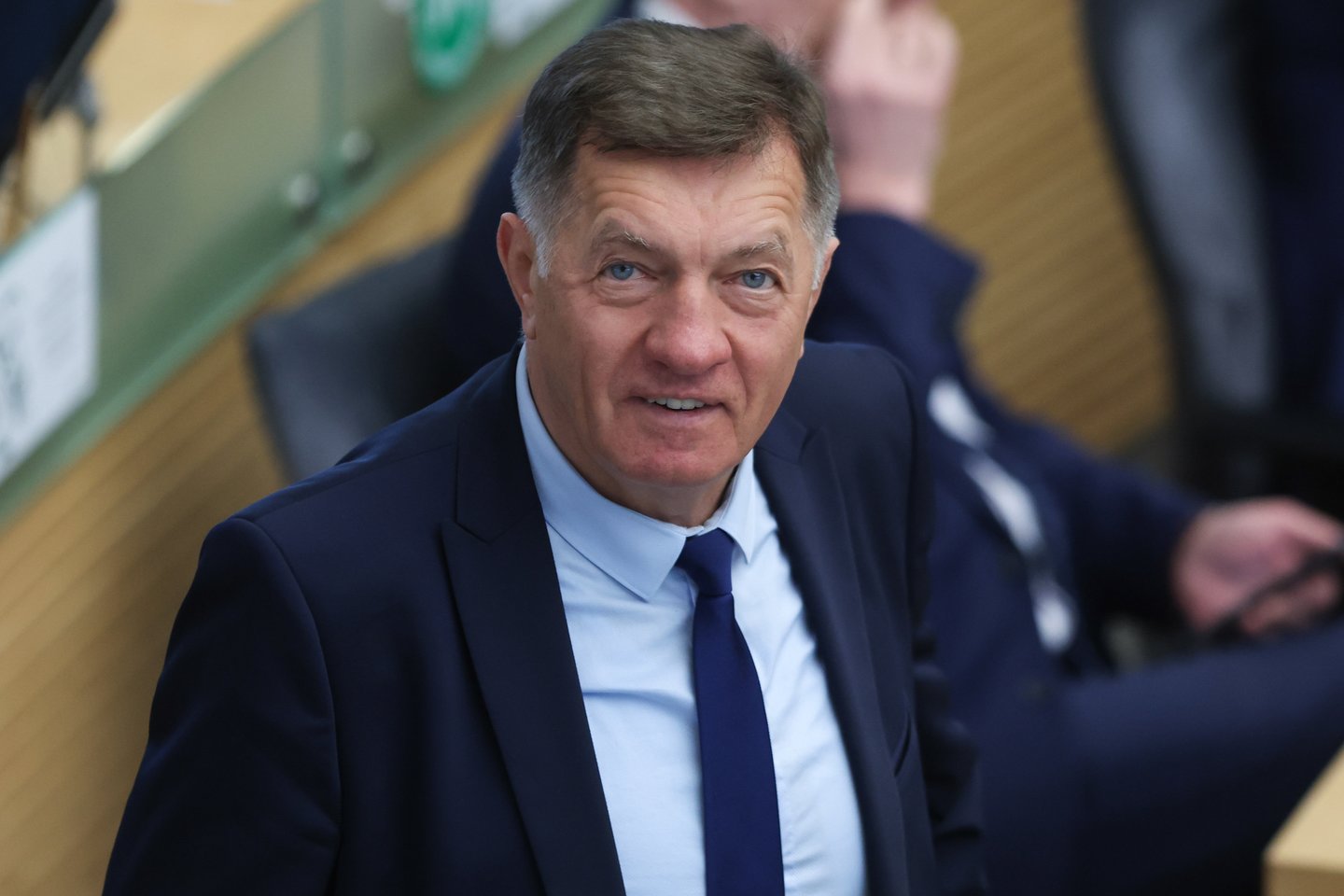
During the Government Hour in the Seimas, Butkevičius addressed Prime Minister Gintautas Paluckas and Minister Budrys. He stated that he had met with representatives of the Chinese Ministry of Foreign Affairs twice in Lithuania in February. At that time, according to the politician, it seemed that the Chinese were considering renewing relations with Lithuania.
„I can say that China was willing to seek contacts, strengthen and possibly renew relations between Lithuania and China. But on Monday, I was informed that Chinese embassy staff had informed the Ministry of Foreign Affairs that they were leaving Lithuania and had no plans to establish any relations shortly,“ said Butkevičius.
He asked why this had happened and what had explicitly changed.
Susiję straipsniai
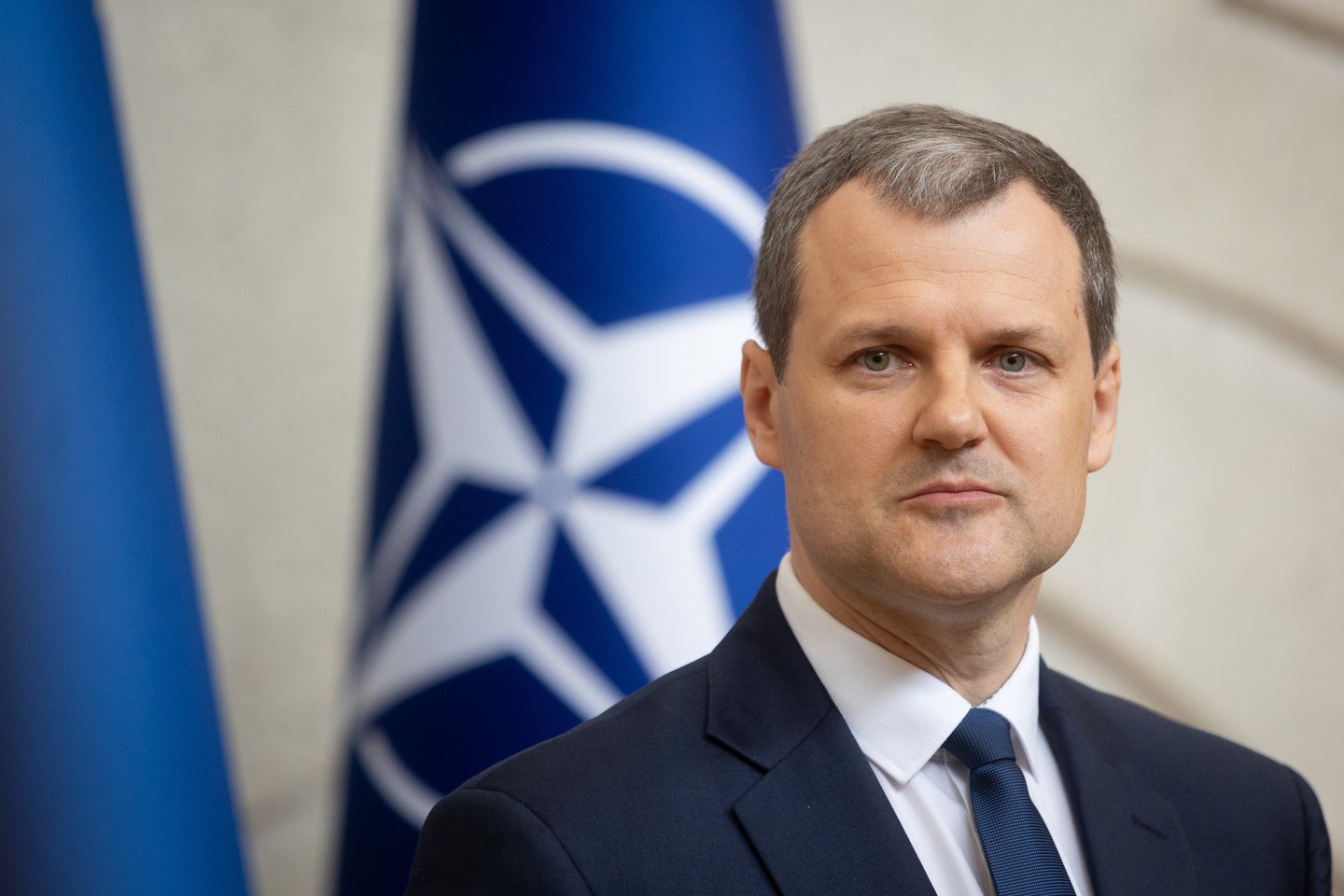
„I am ready to present all the ongoing talks and negotiations that we are conducting, which are not public, whether at a meeting of the Foreign Affairs Committee or in another format and to share them.
The principles themselves, as well as what Lithuania wants and strives for, have been repeated many times. We want normalisation of relations. The ball was not in our court. An exchange of views has taken place. China reviewed the status of our diplomatic mission in Beijing, as a result of which our diplomats had to leave the city, and we aim to restore the situation to its previous state.
We also want the diplomatic staff of all foreign countries in Lithuania to be legal, to have diplomatic immunity, and to work under normal conditions. And we don't want any situations that could end up hurting those same people. We want to avoid that.
I hope that we can secure such conditions for our diplomats in Beijing and Chinese diplomats when they visit Lithuania, so that they can be accredited and operate by Lithuanian law within their diplomatic missions. Diplomatic relations exist between Lithuania and China. Diplomatic representation is problematic. And it is not Lithuania's fault,“ replied Budrys.
Prime Minister Paluckas did not answer this question.
Conservative politician Matas Maldeikis later reacted to the situation on social media, expressing his delight that the Chinese themselves no longer wish to renew relations with Lithuania. According to the politician, there is no point in seeking friendship with them.
„Great. Lithuania will not have to pretend that friendship with a regime that can shut down your exports with the push of a button is „normal“ policy. When cooperation initiatives are determined not by market rules but by the whims of the Communist Party, you know exactly what „risk management“ means. In reality, it is a state of constant blackmail.
So, thank you, Xi. We will continue on our course. I just wonder why China's strategy has changed and what it is now,“ wrote Maldeikis.
The Social Democrats promised in their election programme to seek normalisation of relations with China.
However, Seimas Speaker Saulius Skvernelis recently stated that Lithuania will not restore its former bilateral relations with China. Nevertheless, the politician believes that it is possible to normalise them. However, the Head of Seimas emphasised that Beijing itself is not showing any such efforts.
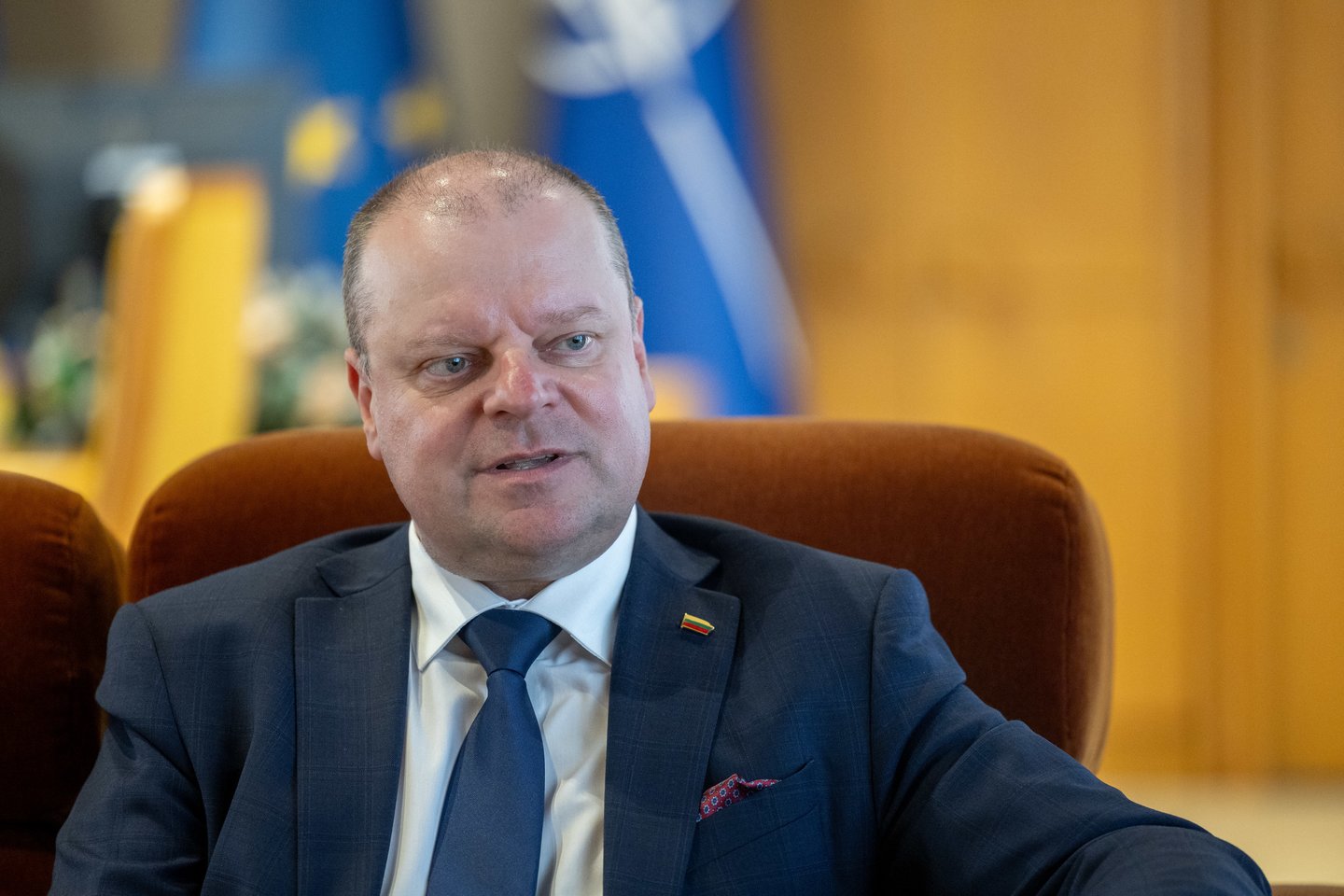
„We will not restore the former relations, but it is possible to have the same relations as all other European Union countries. However, it is difficult to say when this will happen, or even if it will happen at all, „ commented Skvernelis.
The Speaker of Parliament emphasised that China has a clear position on Russia and its war against Ukraine. For these reasons, he said, there are no significant efforts to restore bilateral relations between Lithuania and China.
„China's position is apparent and probably unchanging. In this situation, at this moment, when Russia has launched a large-scale invasion and war against Ukraine, China's alliance with Russia makes the situation problematic. That is probably why you do not see any efforts to restore those relations,“ he added.
The President's Chief Adviser on National Security, Deividas Matulionis, is convinced that Lithuania and China can restore relations to a certain extent.
„Let's keep in mind that China is the second largest player in the world, a global player. Certain relationships should be economic, while political relationships may be more complex. We should continue to move forward,' Matulionis told Žinių Radijas a month ago.
For her part, former Lithuanian President Dalia Grybauskaitė does not believe that any effort should be made to appease China, which supports Russia in its war with Ukraine.
„I can only say that perhaps everyone should remember who participated in the Victory Day celebrations in Moscow, who is helping Russia fight against Ukraine, who is supplying it with weapons and other non-military economic aid. It is clear who our friends are and who our potential enemies are,“ Grybauskaitė asserted.
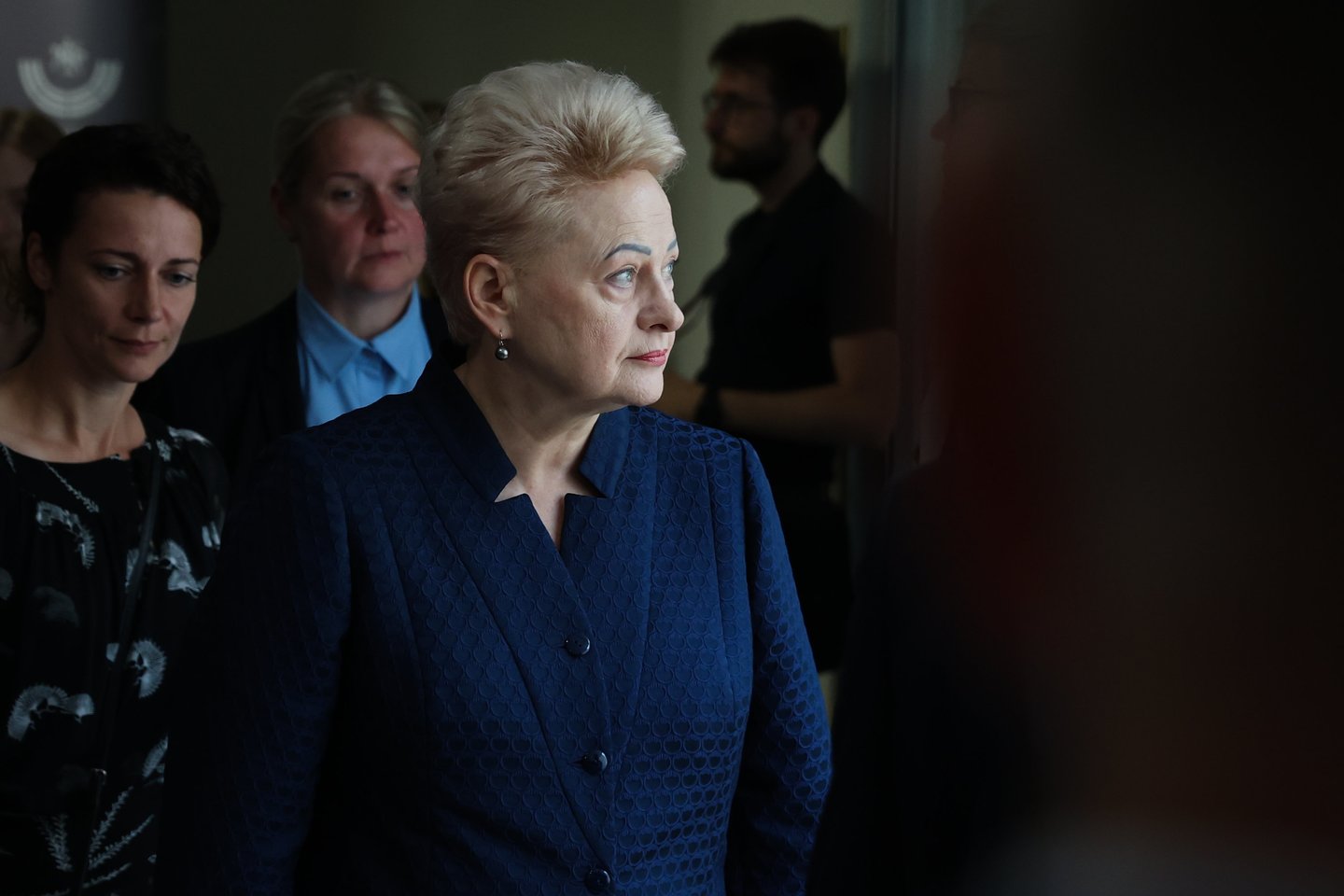
The outgoing president also expressed her opinion on earlier statements by Skvernelis and Paluckas that expectations regarding relations with Taiwan had not been met.
„There is no need to raise expectations where they are not needed and to a level where they are impossible to fulfil. We have the opportunity to communicate not only with Taiwan itself but also through Taiwan with the region where we have now expanded our relations, i.e. South Korea and other countries,“ said Grybauskaitė.
„We don't need to seek and try to communicate with countries that potentially support Russian imperialism and potentially aggressive behaviour towards us,“ she noted.
At the end of 2021, relations between Vilnius and Beijing became significantly strained after the opening of a Taiwanese representative office in Lithuania. China imposed strict diplomatic and economic sanctions. Additionally, the Chinese Ministry of Foreign Affairs has officially downgraded diplomatic relations with Lithuania from ambassadorial to chargé d'affaires level.
Tensions in bilateral relations had been simmering for some time following Lithuania's withdrawal from the '17+1' cooperation format with China.
The then Foreign Minister Gabrielius Landsbergis called on other European Union countries to follow Lithuania's example. However, only neighbouring Estonia and Latvia followed Vilnius' example.
Paluckas had previously hinted at the possibility of improving bilateral contacts with Beijing and returning the Lithuanian ambassador to China.