
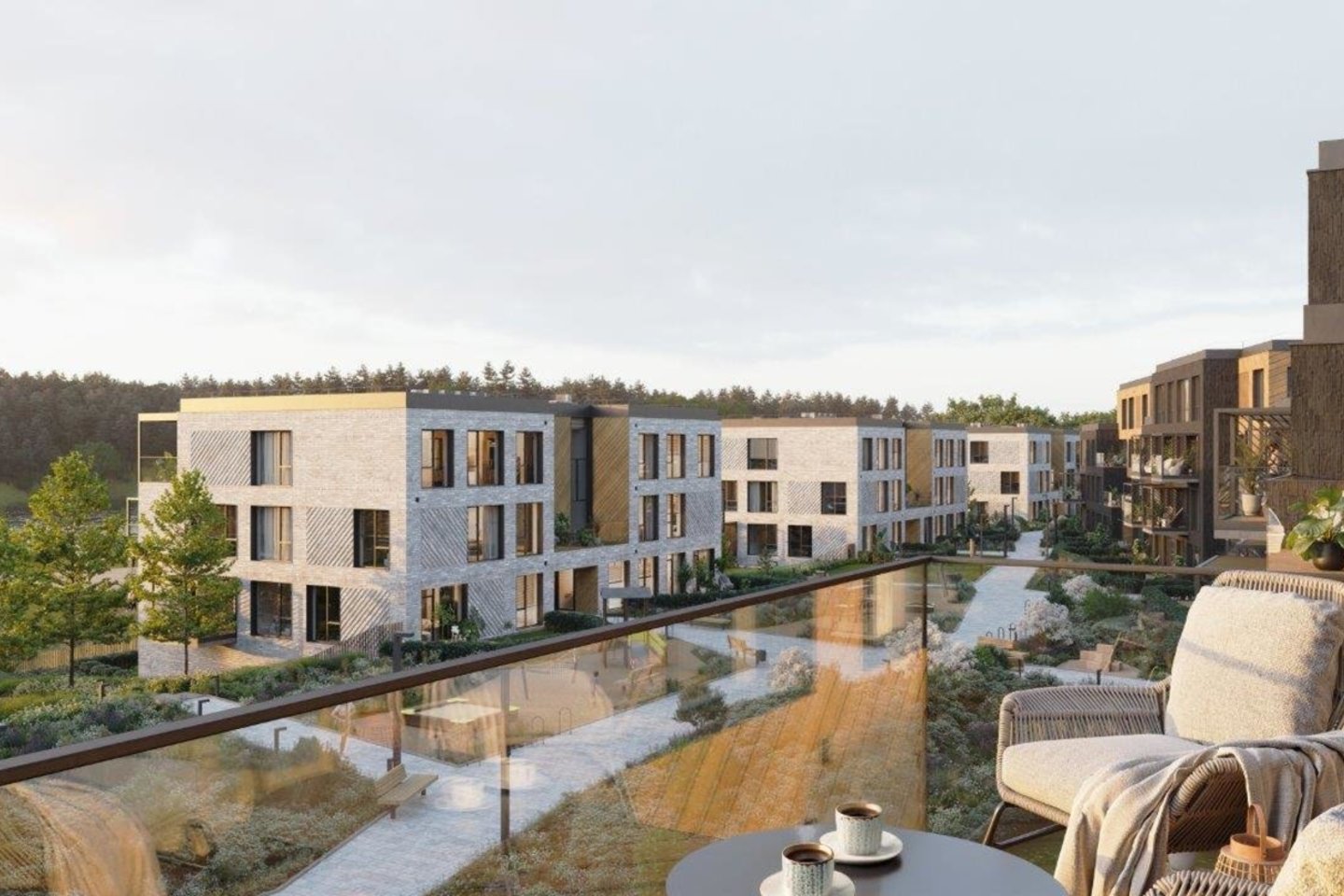
„The Sakai project is being developed in a scenic, nature-rich area along the Neris River, near the Karoliniškės Landscape Reserve. From the outset, our goal has been to minimise environmental impact. We are aiming for the ambitious new construction certification BREEAM Excellent. This represents the fifth level out of six in the BREEAM certification system. Currently, the highest rating attained by certified residential real estate projects in the Baltic States for new construction is the third level, Good,“ says Mykolas Čiplys, Darnu Group's Head of Sales and Rental.
He also notes that sustainable solutions not only help reduce environmental impact but also provide practical benefits to buyers, both during the purchase process and throughout their time living in the home.
Kęstutis Kvietkauskas, Head of SEES Group, notes that achieving BREEAM certification requires sustainability to be considered at every stage of a building's lifecycle, from design and construction to operation.
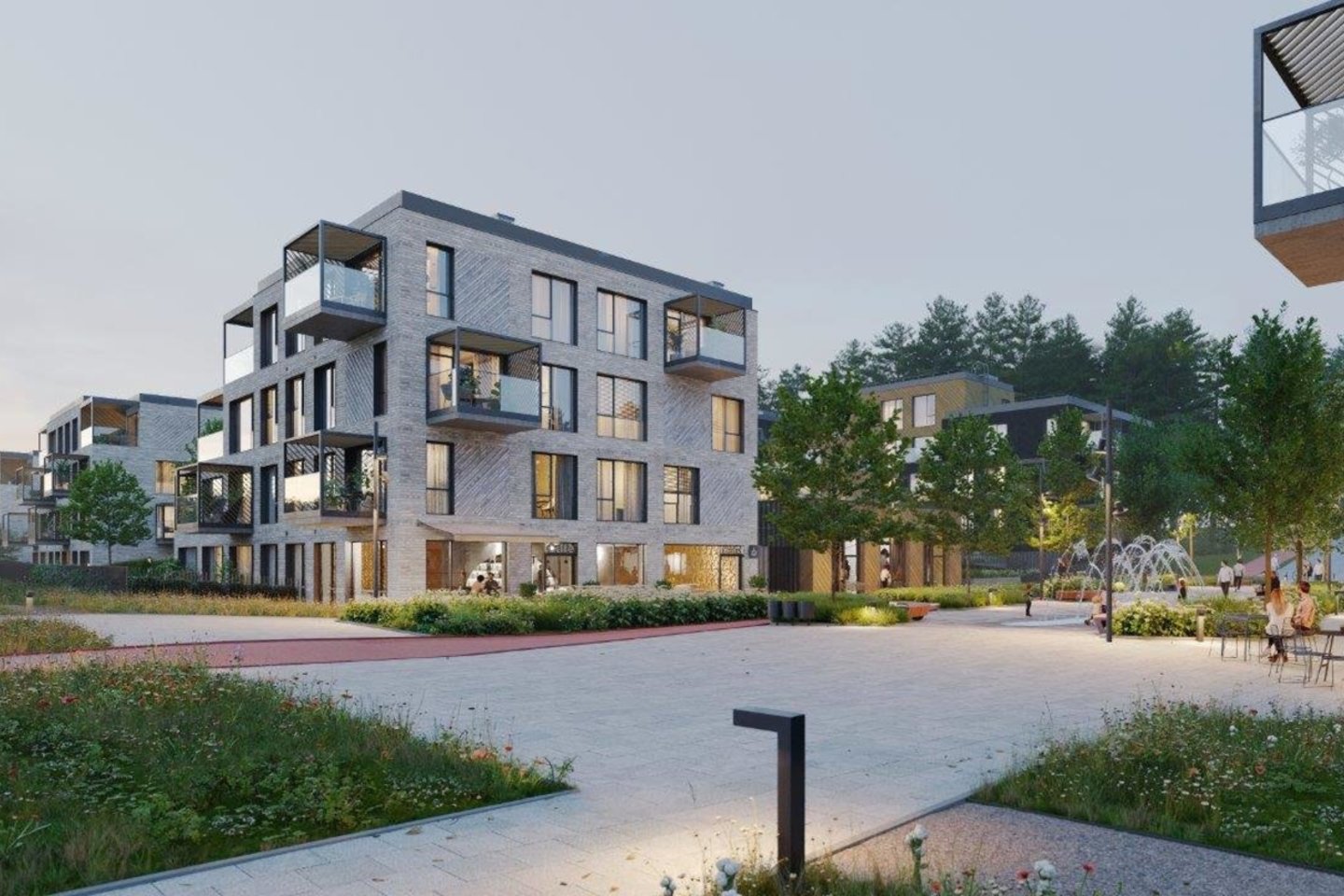
„The certification evaluates a building's environmental impact based on factors such as energy and water efficiency, indoor air quality, and its overall effect on the environment. The higher the rating, the greater the sustainability and quality of the building it reflects,“ says the building certification expert.
Sustainability is also reflected in the utility bills
According to K. Kvietkauskas, the primary goal of BREEAM is to lower CO2 emissions throughout a building's lifespan, which is closely linked to energy efficiency. This, in turn, helps significantly reduce long-term costs for residents.
„The majority of CO2 emissions result from energy consumption, so strategies to minimise them are explored during the design phase. Based on the calculated energy dynamic model, Darnu Group's buildings will produce 12.5% less CO2 and be 5.6% more energy-efficient than a standard A++ building, thanks to high-quality sealed façade systems, advanced engineering solutions, automated lighting, and other technologies. In practice, this level of energy efficiency in buildings will primarily be evident through reduced energy consumption,“ notes K. Kvietkauskas.
To highlight the differences in energy efficiency, the expert notes that an A++ building can use up to 8 times less heat energy and produce up to 10 times less CO2 than an old, un-renovated apartment building.
Residents of BREEAM Excellent-certified homes can also take advantage of water efficiency solutions, helping to conserve resources and lower operating costs.
As K. Kvietkauskas notes, buildings aiming for this rating should incorporate water-saving devices, which can reduce water usage by 12.5% to 55% compared to a standard building. Efficiency is enhanced through leakage prevention measures, devices, and technologies that control the maximum water flow. In the case of the Sakai project, the goal is to reduce water usage for shared needs by 55%.
High quality of life
Living in a BREEAM-certified building, according to K. Kvietkauskas, not only helps reduce operating costs but also enhances the quality of life.
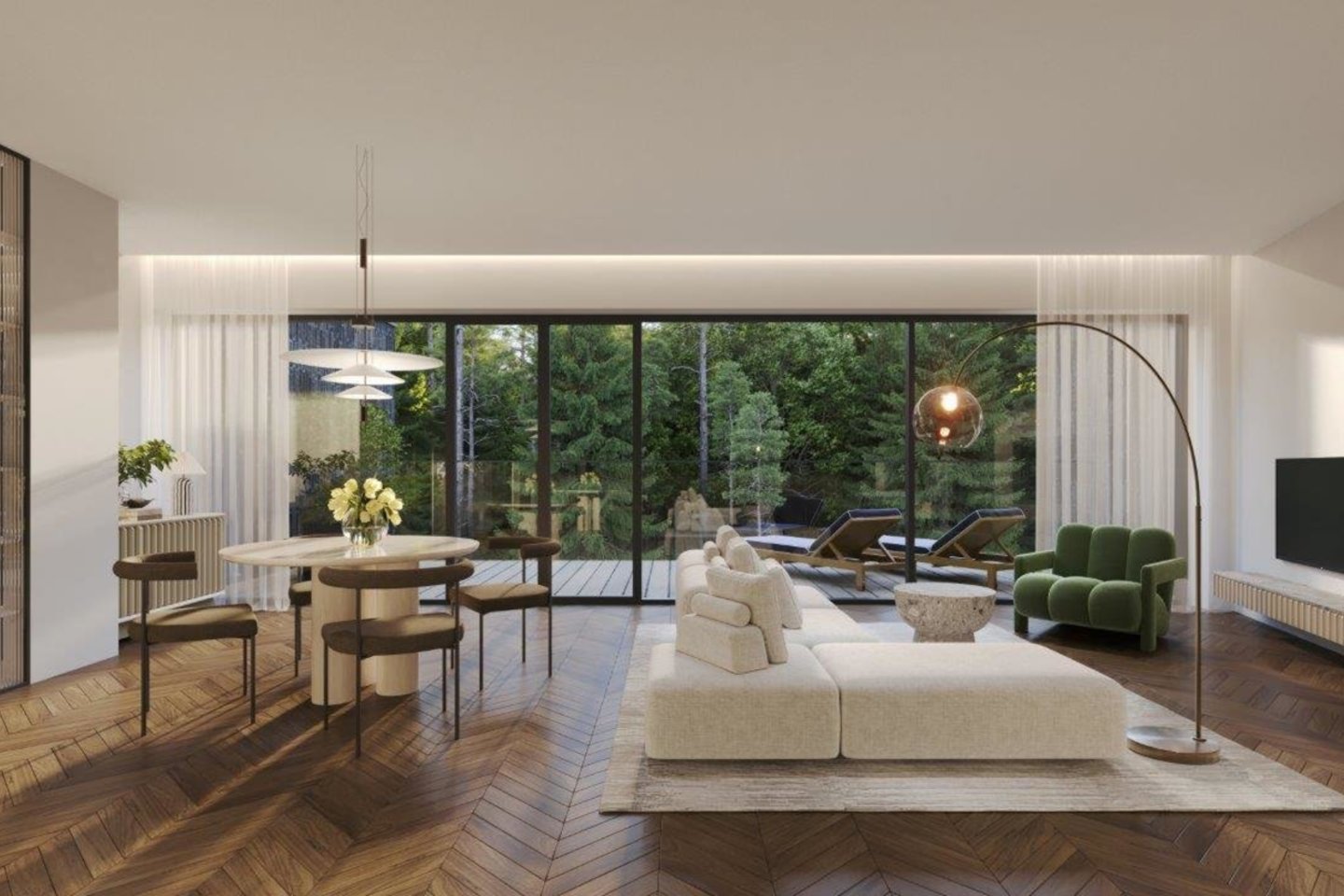
„Building certification process considers indoor air quality, including the amount of air entering the building and the concentration of harmful particles, while also avoiding air intakes near pollution sources. Meanwhile, the Sakai project aims to maximise the amount of natural light. This not only lowers energy consumption for lighting but also supports eye comfort, improves mental health, and enhances sleep quality,“ says K. Kvietkauskas.
The certification process also includes thermal comfort assessments to ensure that buildings are comfortable for occupants throughout all seasons. It also looks at the building's surroundings, landscaping, and whether the project preserves or even improves the site's biodiversity. Therefore, the first phase of the Sakai project will involve planting thousands of various plants and greening 2.74 hectares (60%) of the project area.
Finally, BREEAM aims to ensure that a residential project caters to the needs of diverse individuals. According to K. Kvietkauskas, the buildings and their surroundings are assessed for their comfort and accessibility for people of all ages, physical abilities, parents with young children, and residents with various disabilities.
Better financing conditions
K. Kvietkauskas emphasises that it is important for builders to aim for a BREEAM rating, which reflects a building's high sustainability and energy efficiency; meanwhile, buyers should prioritise energy-efficient buildings, as financial institutions provide more favourable conditions for both parties.
„Certain financial institutions in Lithuania offer more favourable interest rates not only to builders of energy-efficient buildings but also to residents planning to purchase homes in these buildings. Some companies provide special terms for variable interest rates and loan administration fees,“ says K. Kvietkauskas.
Depending on the loan amount, down payment, and loan term, even a 0.1% reduction in interest can result in savings of several thousand euros over the loan's lifetime.
According to him, the more favourable financing conditions and the attitude of financial institutions toward sustainable housing are important not only in the short term but also in the long run. This is because, as K. Kvietkauskas explains, sustainable housing has greater liquidity potential and the potential for higher price appreciation.