

However, he adds that the municipality needs to reduce the bureaucratic burden so that the process does not become yet another ‘national stadium epic’ and maximise the financial benefit from the sale of the plots.
Tarutis commented to Elta: ‘The proposal is certainly rational and timely. The municipality holds a significant amount of land under trust, which could be sold, bringing a substantial sum to the budget. This amount could then be directed to where it is critically needed – strengthening defence funding’.
He added: ‘Of course, this strategy requires a lot of effort, but (...) if we find ways to cut red tape so that it does not turn into another „national stadium epic“, it could become an international success story’.
Susiję straipsniai
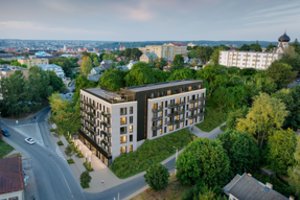
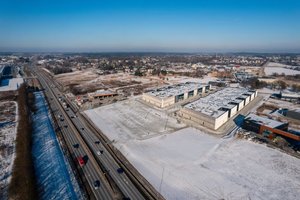
Vilnius Mayor Valdas Benkunskas estimates that the state could earn around EUR 1 billion from the sale of unused land plots in the capital alone.
According to Tarutis, three categories of state land plots in the capital could be rented or sold.
The first is the encroachment plots, a few-acre plots that are difficult to use for anything but which the owners of adjacent plots would like to acquire. The second are plots that have been created for the land restitution programme but have not yet been used for it.
Tarutis continued: ‘There are certainly a lot of plots of land in attractive locations for development, so developers should actively participate in the auctions, as Vilnius City plots are a relevant and sought-after commodity’.
The third category includes large land areas where no plots have been formed yet. According to Tarutis, these areas hold the most significant value for the real estate market in the capital.
He explained: ‘If vacant, undeveloped territories in Vilnius are developed, funds for defence would become available, the municipality would ensure the implementation of the city’s multifunctionality and densification strategy in these territories, developers would have space to invest efficiently and cheaper housing would be offered to the people’.
As the Vilnius City Municipality indicated to Elta, if the concept of first categories is expanded, the number of plots in the capital could reach about 220 ha. At the same time, the plot area not used for the land restitution programme amounts to about 140 ha and could be expanded by forming at least another 100 ha of such plots.
Meanwhile, the municipality has no plans to sell large areas of land that belong to the third category and do not have a plot.
According to the municipality, the changes would affect only about 1–2% of the capital’s territory. They would help to manage the property more efficiently, as taxpayers’ money would no longer be needed to maintain the plots.
Mayor Benkunskas has previously indicated that the capital has extensive reserves of unused land, the sale of which would go to the defence fund.
The State Defence Council (Valstybės gynybos taryba – VGT), which met in January, agreed to allocate 5–6% of the country’s gross domestic product annually to defence for 2026–2030. The additional allocations are needed to form an army division in Lithuania by 2030.
The Conservatives propose selling or leasing unused state-owned land to raise the necessary funds. Utilising such plots across Lithuania could generate over EUR 3 billion in revenue.
While Prime Minister Gintautas Paluckas supported the proposal, the Presidency also did not rule out considering it but stressed that the land sale processes must be transparent.