
To fully furnish a home – from receiving the keys to spending the first evening in the living room – the total cost typically ranges from EUR 1,000 to EUR 1,500 per sqm. This includes finishing works, furniture, appliances, and accessories. This range depends on several factors, including the flat’s size, quality level, amount of furniture, the complexity of the bathroom, the choice of suppliers and whether an interior designer is involved.
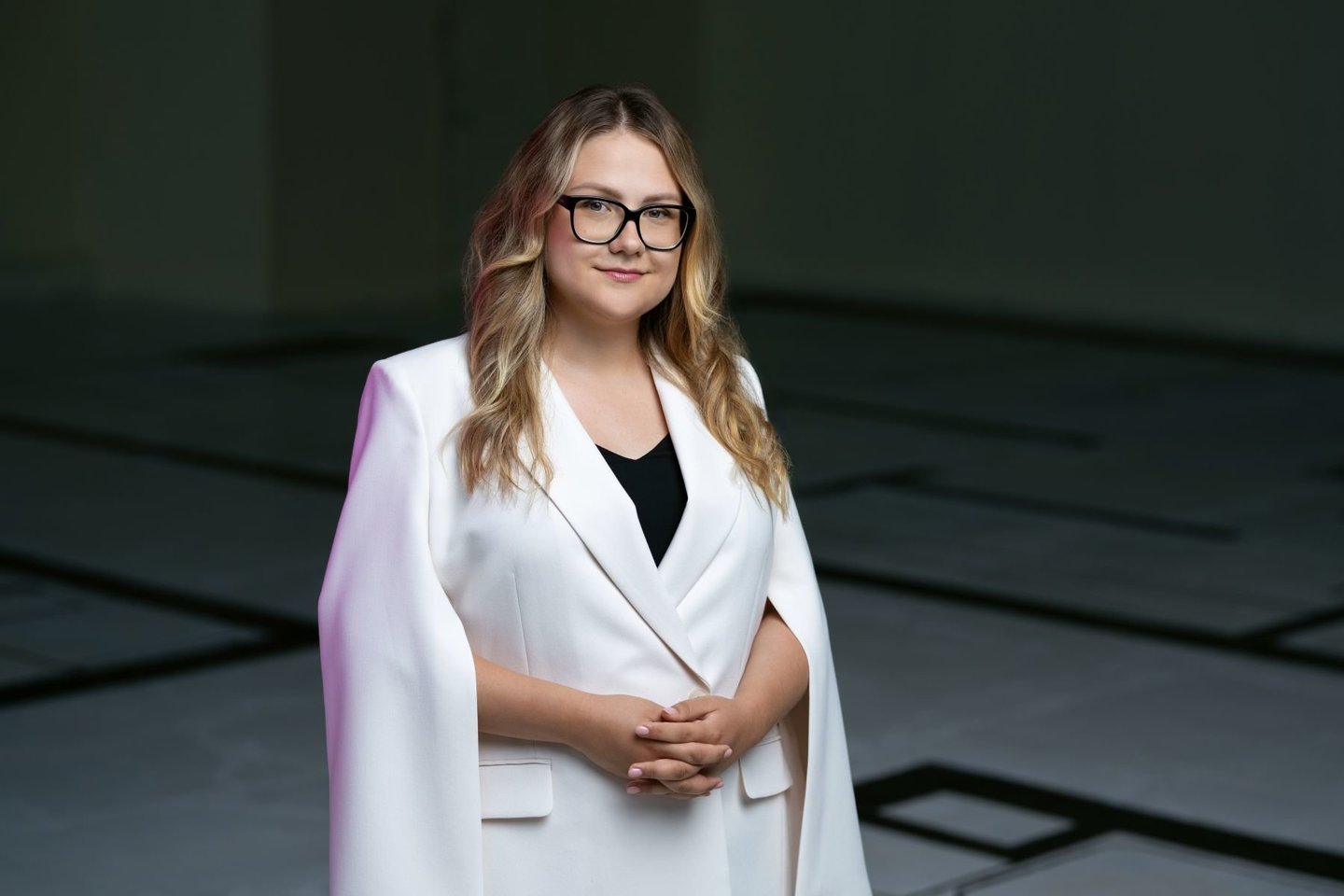
Marius Morozovas, interior designer at creative real estate development and placemaking company Citus, explains:
One thousand euros per sqm is a safe average – covering finishes, furniture, textiles and household appliances. Furnishing a smaller flat is relatively more expensive, as fixed costs are proportionally higher.
According to Morozovas, home furnishing expenses can be divided into two main categories.
The first – finishing and construction works: flooring, tiling, wall painting, electrical installations, door fitting, plumbing. This stage encompasses both materials and labour, and typically amounts to around EUR 500 per sqm.
Once the contractor completes the work, the next phase begins – the production of furniture, selection of household appliances, purchase of textiles (such as curtains and rugs), and assembly of mirrors, lighting fixtures and other elements. These costs are often equal to or even exceed the expenses of the first stage.
According to Morozovas:
I always tell my clients: from the moment you receive the keys to the moment you have a cup of coffee in your kitchen; you will interact with 20 suppliers. The contractor is only involved in the first half of the journey – the second half often has to be done by the client themselves or with the help of a designer.
Fully furnishing a typical two-room (40–45 sqm) flat rarely costs less than EUR 40,000–60,000. Therefore, from the very beginning, it is necessary to plan a budget of at least EUR 1,000 per sqm; otherwise, the risk of exceeding the planned costs becomes very high.
Two areas often consume the largest share of the budget:
The bathroom is the most technically complex space. Its installation can account for up to 20% of the total budget. Custom-made furniture – the second major expense category. Most homes require 8–10 pieces of bespoke fitted furniture, which can easily amount to 20–30% of the total furnishing cost.
Why do we often underestimate the real cost and try to save money in the wrong places?
Sometimes, we imagine that EUR 500 per sqm will be enough for the installation, but we fail to realise that finishing is only part of the work; every little detail costs money, and the need for furniture and interior elements grows as the project progresses.
Morozovas emphasises:
It’s a paradox: we plan one amount, but when we exceed this amount by 20–30% in several areas, the total costs increase by at least half. This often happens simply because we choose more expensive products or non-standard solutions in the showroom, and it is difficult to assess the consequences immediately.
For example, if EUR 1,000 was allocated for standard tiles, but larger ones are chosen for EUR 1,500, and their installation costs an additional EUR 300, the budget for that one item increases by 80%. The amounts may not seem significant, but if the situation is repeated three to five times, the total amount increases by several thousand.
If we approach interior design based on stereotypes or unproven assumptions, they can turn into costly mistakes, says Morozovas, listing the most common myths:
1. ‘I’ll buy furniture little by little as I settle in’. Suppose we plan to move into a home with only the essentials (a bed, a table, a kitchen) and purchase the rest gradually. In that case, this model may result in a lack of functional solutions and a loss of unity, ultimately leading to higher costs. When purchasing individual pieces of furniture from different suppliers, we miss out on the opportunity to receive volume discounts.
2. ‘What difference does it make in what kind of light fixture it is? The most important thing is that it works’. Lighting is often underestimated as an insignificant part of the interior, but it has a substantial impact on aesthetics and everyday comfort. Poor planning will require additional investment later on, from changing light sources to rewiring.
3. ‘It will be cheaper in Poland or online’. In some cases, this is true; however, the products often fail to meet expectations, appear differently on the screen than in reality, and delivery times are longer. More importantly, claims and warranty management become complicated.
4. ‘Floors and doors are just technical elements; you can get them cheaper’. These are some of the most used and visible parts of the interior. Cheap, non-durable products tend to wear out faster and require more frequent replacement.
5. ‘I’ll choose the cheapest plumbing fixtures; you can’t see them anyway’. Underfloor systems and pipes are indeed invisible, but their quality determines the longevity of a home. Leaks or system failures can cause not only inconvenience but also significant expenses, especially if the finish is damaged or neighbours’ homes are affected.
6. ‘Designers are a luxury; I can do it myself’. At first glance, independent design helps to save money. However – in reality, without a clear plan, vision, technical drawings and effective supplier management, we often end up paying more for inefficiency or subsequent corrections.
7. ‘It can be done simpler and cheaper here’. Simplicity is not always cheap. Large tiles, slabs and ‘simple’ furniture often require non-standard installation or special materials. For example, ‘simple’ flooring may need additional levelling of the subfloor, which is significantly more expensive.
Morozovas states:
Is it possible to save money without compromising on quality? Budget control starts with an accurate estimate. When we calculate everything down to the last detail, we can compare prices and negotiate with suppliers. Accurate planning allows us to save money without compromising.
Savings must be strategically justified:
1. Detail your estimate and shop around. When each part of the installation has a clear price, you can contact several suppliers and save 10–20%.
2. If the supplier offers both flooring and tiles, take advantage of this opportunity – you can expect a discount.
3. If you have experience, you can assemble and install some of the furniture yourself. However, be cautious – a mistake can end up costing more than it saves. An alternative is to combine furniture manufacturing with standard solutions purchased from high-quality furniture stores.
Morozovas gives more advice:
The number of suppliers also determines the risk. The more suppliers there are, the more deliveries, errors and time costs will be incurred. Choose suppliers who offer more solutions from a single source.
When is it worthwhile to hire an interior designer?
Although hiring a designer means additional costs, in reality it often helps to save money.
Morozovas continues:
A designer is not just a stylist. They also become a budget guardian, supplier coordinator and problem solver. Working together, the result is more predictable and often cheaper than trying to do everything yourself.
Designers often maintain long-term relationships with suppliers, which enables them to offer more competitive prices. They help maintain the integrity of the interior – stylistically, technically and functionally. They assess where it is worthwhile to save and where it is necessary to invest. They take responsibility for the entire project and documentation, which means less stress for you. Furnishing a home is a complex process, and every decision has financial, functional and aesthetic value. The most common mistakes – insufficient budget, failure to adhere to it, excessive number of suppliers, lack of consistency and late preparation – can be avoided by planning and hiring professionals.
Morozovas summarises:
The most important thing is to start with a clear vision, a precise budget and a realistic approach. Only then will your home become not only beautiful but also functional, and a long-term solution that you can enjoy for many years to come.