
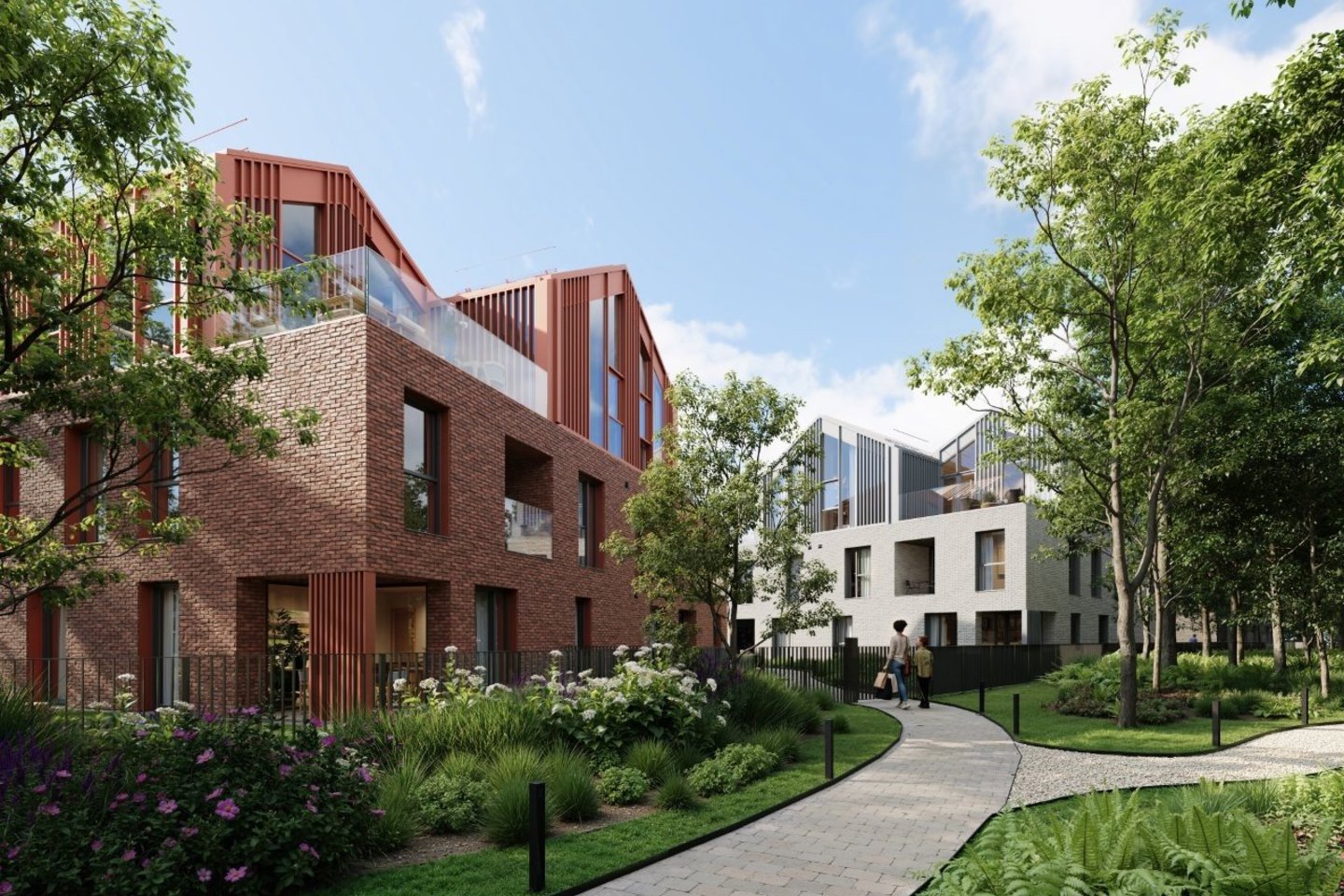
„For many years, sustainability was one of the buzzwords we used, but its practical meaning and value were quite difficult for many to grasp. The real estate sector is no exception: while developers have long been communicating about sustainable solutions and choices in housing construction, consumers have not paid much attention to them. However, it seems that we are already seeing a certain shift as sustainability is becoming an increasingly tangible concept in the minds of buyers. The survey showed that it is most associated with lower housing maintenance costs and other practical benefits. However, it is also interesting that the value of such a choice is increasing,“ says Mykolas Čiplys, Head of Rental and Sales at Darnu Group.
Sustainability = lower daily costs
As Čiplys notes, although sustainability in real estate development is extremely complex and encompasses more than just energy efficiency, it is precisely the latter criterion that is most valued by buyers.
According to a survey of the country's population, as many as 70% of respondents primarily consider sustainability when choosing a home for practical reasons, specifically lower bills. This is confirmed by buyers of apartments in our Sakai project. Both those buying a home for themselves and those buying as an investment see lower daily operating costs as a huge benefit in the long term. Not to mention that a highly energy-efficient home ensures greater property value growth, liquidity, and longevity,“ says Čiplys.
According to him, complex sustainability values are not always clearly linked to practical benefits or a better quality of life for consumers.
„I say somewhat ironically that when everything becomes 'sustainable', it becomes unclear what is actually sustainable. And buyers often have to try to figure out for themselves which developers are truly focused on effective, practical sustainability solutions and what that really means in their everyday lives,“ says the Head of Rental and Sales at Darnu Group.
Sustainability is linked to liquidity and health impacts
Respondents cite the durability and liquidity of housing as the second most important criterion for sustainable solutions when choosing a home. Almost half (47%) of the population emphasize this. A similar proportion (42%) indicate that they value sustainable solutions because of their positive impact on health.
„It is a fact that when purchasing a home, people think about the future and the longevity of the home itself. But equally important is how we will actually feel in it: how much daylight there will be in the rooms, what the air quality will be like, and what the temperature will be. International standards ensure that factors with such a direct impact on health are controlled to the maximum extent possible. For example, Sakai is being developed in accordance with BREEAM Excellent certification criteria, which ensure that the housing is as environmentally and resident-friendly as possible, from the design process right through to completion,“ comments Čiplys.
Buildings that meet the criteria for certification generate 12.5% less CO2 and are 5.6% more energy efficient thanks to their airtight, high-quality facade systems, engineering solutions, automated lighting, and other technologies. Efficient water usage solutions also help to conserve resources and reduce operating costs in certified homes.
When certifying buildings, a lot of attention is paid to thermal comfort. It also looks at the building's surroundings, landscaping, and whether the project preserves or even improves the site's biodiversity.
And although residents attach the greatest importance to the practical side of sustainable solutions, a third of respondents note that environmental friendliness is an important value when choosing a home and assessing its sustainability.
Importance of sustainability is growing – it is important to almost every second person
The survey also revealed that the importance of sustainability when choosing a home varies. As many as 45% of respondents said that over the past three years they had begun to place greater importance on the sustainability of their housing. The change is particularly noticeable among younger (18–35 years old) and more highly educated shoppers as it is in this group that the importance of sustainability criteria has grown the most in recent years.
These trends are observed all over the world: young people are paying more attention to climate change issues, starting with themselves, taking small but important steps to reduce their impact on the environment, and more often admitting that they are troubled by ecological anxiety.
„This is a very clear signal, not for future developers, but for today's developers: sustainability in the real estate sector is no longer an added value, it is the new standard. Changing criteria for choosing housing are adjusting the market and gradually changing the criteria by which we will evaluate residential housing and its surrounding environment in the future. It is clear that the criterion of practical benefit will remain, but projects that meet not only the economic criteria of buyers but also their value criteria will become increasingly competitive,“ says the Head of Rental and Sales at Darnu Group.