
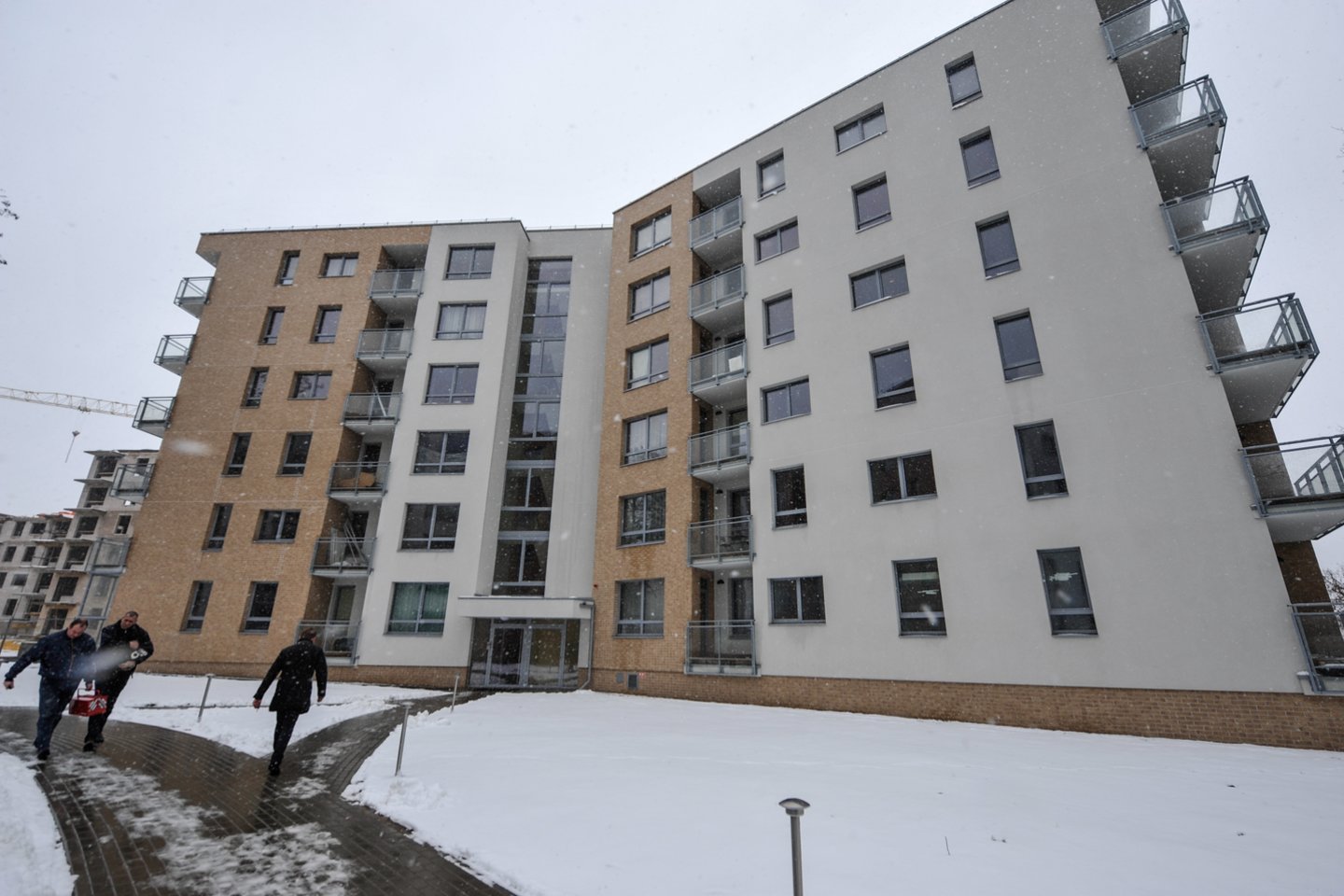
On average, 670 homes found new owners each month last year, which is about 33.5 per day if we consider only weekdays.
According to Šarūnas Tarutis, head of investment and analysis at Citus, the record-breaking first half of the year took a bit of a breather, with the summer waving by, while the second half of the year was quite smooth. The average of the six most productive months last year was over 860 homes per month, while the quieter ones saw about half the number, around 480.
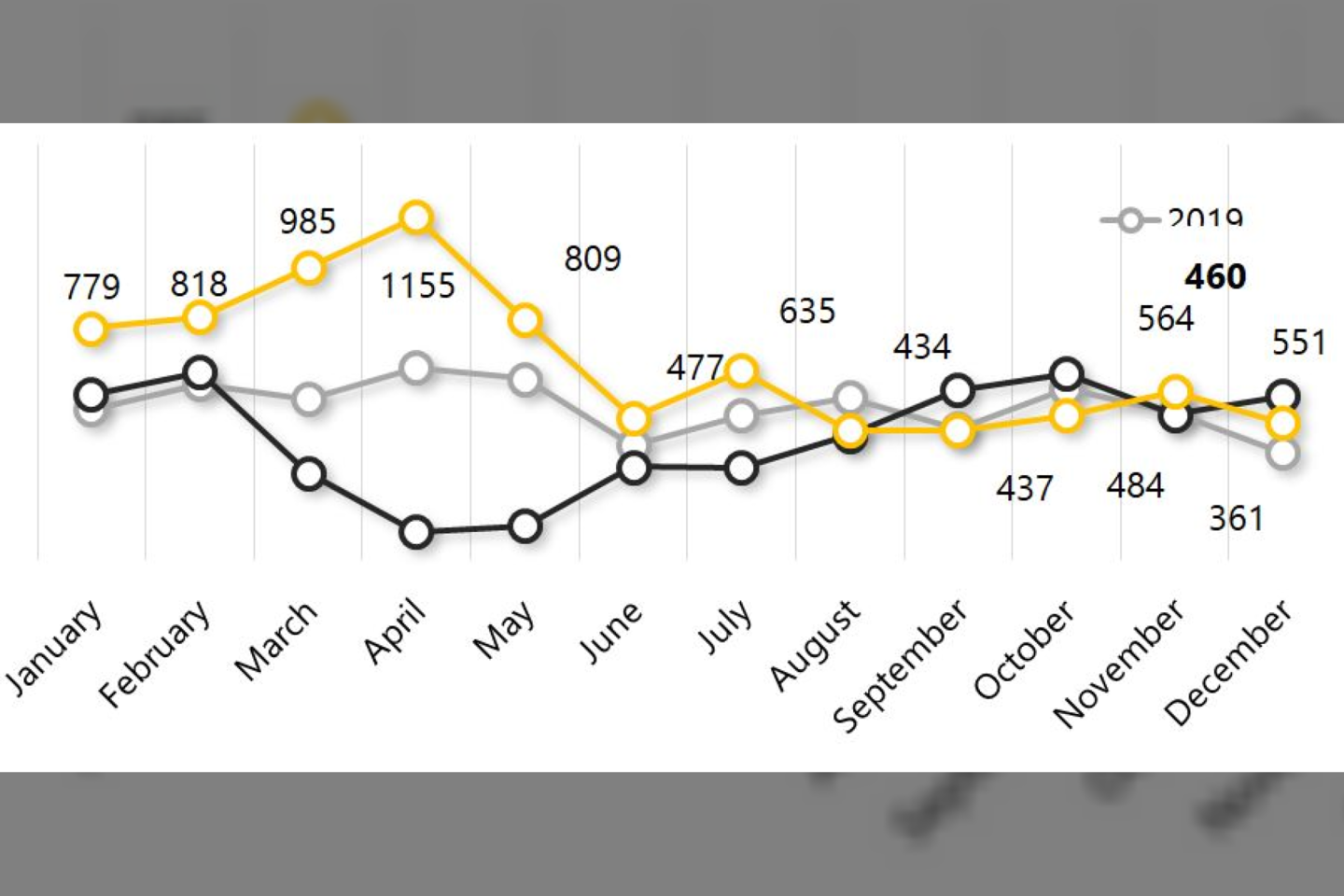
„The activity at the beginning of the year was created by the high inertia after the intense end of last year: after the lockdowns, people saw that the economy had not collapsed, the finances of people considering buying a home not only did not decrease, but sometimes increased, the financing conditions were very favourable, many people managed to save for a down payment, and more people bought second homes, apartments for their children and so on. And with much more time spent in the home, the incentive to change to a bigger, newer or better located home has also increased. As a result, demand increased sharply; it started to drive up prices, creating an additional stream of buyers who rushed to lock in prices at the time and avoid a reduction in their affordability in the future,“ says Tarutis.
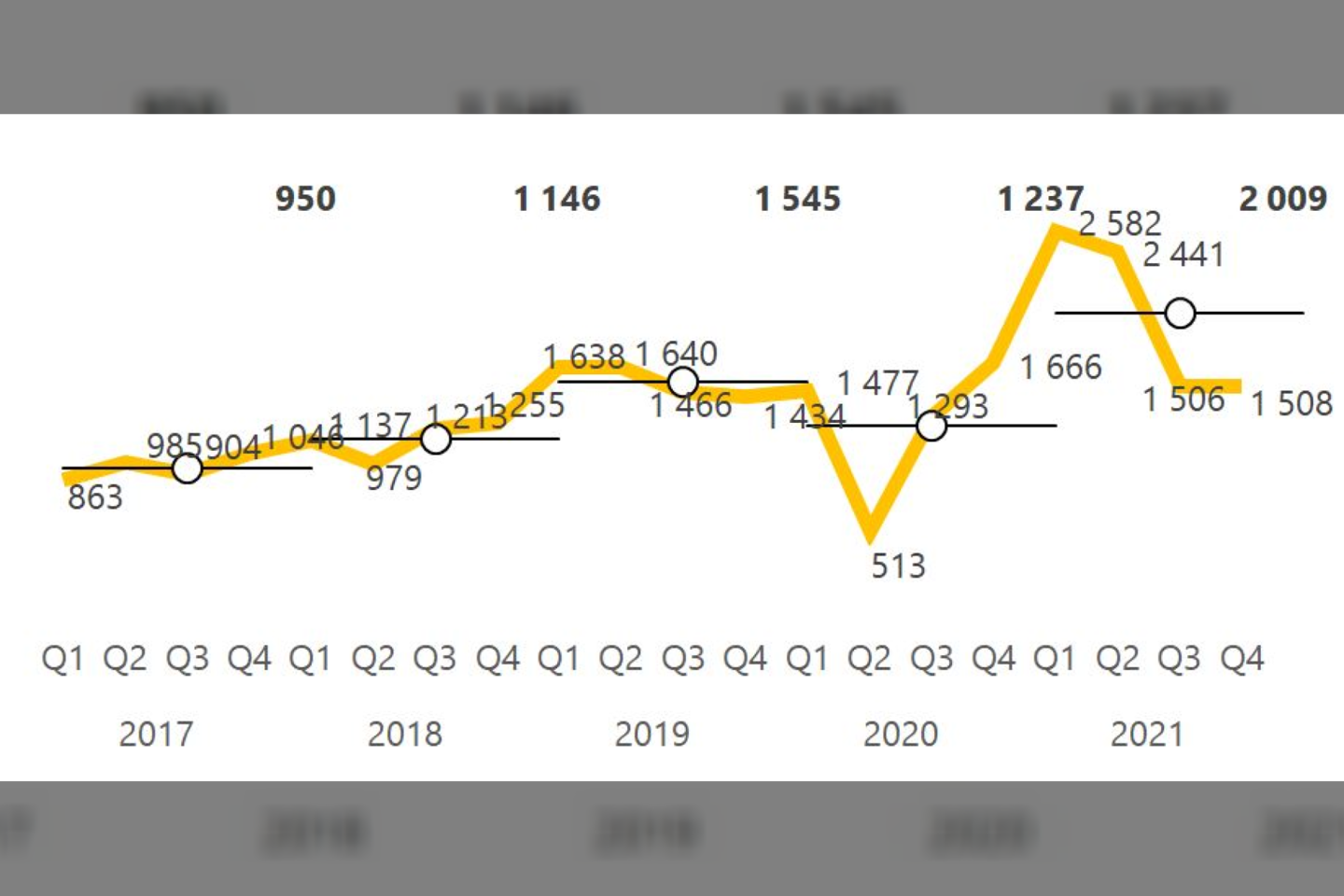
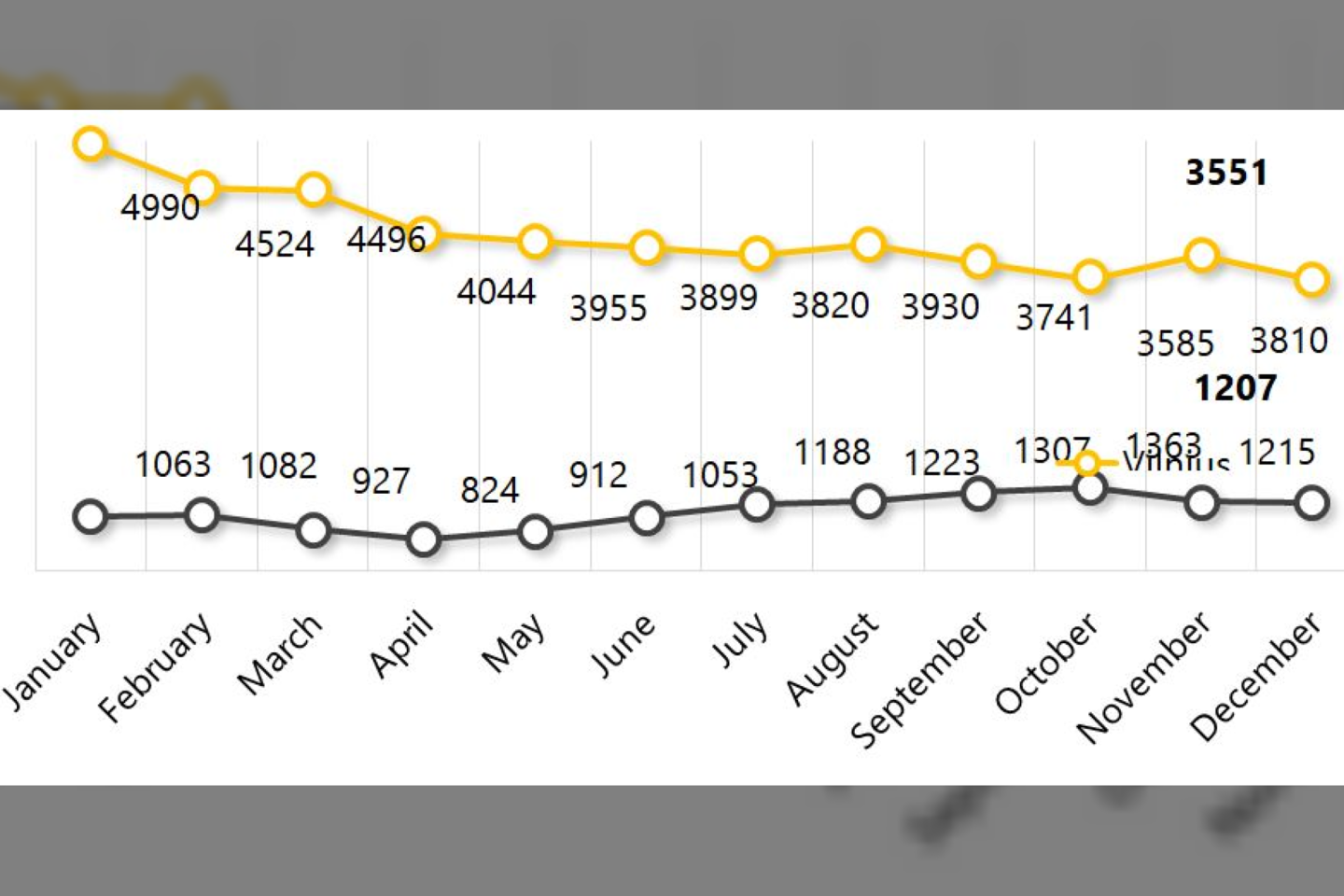
He points out that the lack of supply on the market has also put upward pressure on prices. In 2020, as uncertainty increased due to the declared pandemic and lockdowns, some developers suspended or postponed projects, resulting in supply delays. Although as many as 102 new projects or phases with almost 6,400 new apartments and terraced houses were added to the primary market in Vilnius during the year, which is more than in 2020 or 2019 (72 projects/phases with 4,970 homes and 78 projects/phases with 5,590 homes, respectively) – the demand was much higher, which resulted in a steady contraction of the overall stock of housing in the capital. From 4,990 in January, it was down to 3,551 in December. According to the expert, a supply of around 5,000, the same as at the beginning of the year, is optimal for Vilnius.
The growth of supply has also been hampered by an unprecedented rise in the cost of building materials, their still tight supply, the severe shortage of labour and an increase in operating costs. These conditions have prolonged and complicated the purchasing process and thus the entry of the project into the market and have contributed to the increase in final home prices.
Moreover, the issuance of construction permits has also become more complicated, although developers have had ample motivation to rush to plan and design new projects: changing legislation, a soon-to-be-implemented amendment to the Land Law that will significantly increase the cost of state land plots, increasing requirements for infrastructure development threaten to increase the cost of projects even further, and the Bank of Lithuania is considering various barriers to cool demand.
„Such news and public debate may just add to the pressure to rush into buying decisions, but demand is based on a ceiling of supply and prices. This creates tensions and imbalances in the market that will be difficult for both market players and institutions to manage with current measures. Affordability in Vilnius is really high at the moment, but a reduction in affordability would have a knock-on effect on buyers, so we call for ways to address bureaucratic problems and reduce restrictions to allow new projects to enter the market faster. Of course, I am not talking about reducing qualitative requirements, but sometimes artificial barriers and excessive requirements have a long-term negative effect on the market as a whole. Looking at last year’s performance surge, we can clearly see how this can backfire,“ stresses the head of investment and analysis at Citus.
As supply has shrunken sharply and prices have risen, demand has cooled. This has also slowed down price growth, especially as the price ceiling has been reached in some places. Price growth was uneven across the city: at the beginning of the year, the price of housing built in popular and promising districts grew more rapidly, resulting in the full formation of a high-value zone in the central part of the city, capped by Šnipiškės, which has been catching up with its value potential so far. Here, prices have stabilised and growth has slowed down considerably as demand has reached its limit. In the second half of the year, prices started to rise much faster in the residential areas, especially in the most popular ones – Justiniškės, Pilaitė and Lazdynėliai.
„Looking at the cards in play today, I do not think that price growth in 2022 will reach the speed of last year. Many factors make it unlikely and I would predict a fairly moderate, up to 10% annual average price increase in all segments. For the time being, the biggest threat is the shortage of supply, which threatens market lethargy and the unfulfilled dream of urban potential. However, I believe that this will not happen,“ the expert assures.
„According to Citus analysts, there are numerous new projects waiting to be launched – in the first quarter of the year alone, up to 1,350 homes may be offered to buyers in fifteen new projects or phases. It should also be noted that the first quarter is less active, so supply could grow even faster in the following months. Developers and builders are driven by the rising cost of development and this is evident from the number of construction cranes that have risen up across the city.
Kaunas ended the year with a bang
The temporary capital ended the year on a high note in the primary housing market, with an all-time record of 281 new housing reservations in the city (December 2020: 68; 2019: 182). While at the beginning of the year the gap between demand in Lithuania’s two largest cities was up to 10-fold, by the end of the year it was just over double.
In the last quarter, 514 apartments and terraced houses were reserved (Q4 2020: 233; Q4 2019: 356), while for the whole year – 1,496 (2020: 806; 2019: 1,375). Thus, last year was 86% better than 2020, but only 9% better than 2019.
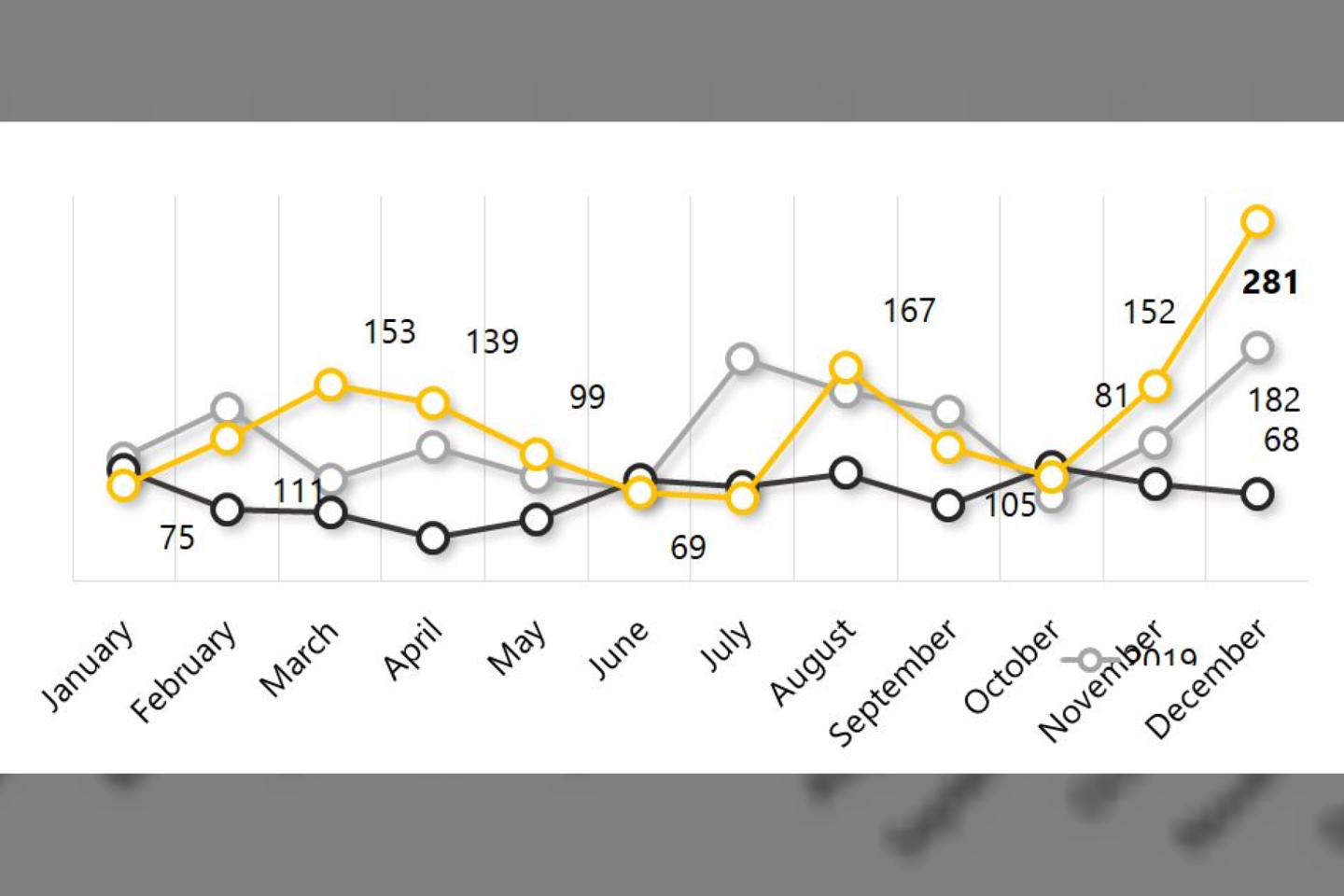
The range of new homes in Kaunas remained stable and even grew and matched demand: at the end of 2021 there were 1,207 homes in stock, while 2020 ended with 1,088 units and 2019 with 1,129 units.