
The products produced here are destined for smuggling, from Lithuania to Western Europe and here. Stopping trains and potentially business relations will also make it more difficult for the Belarusian regime to transport illegal goods, which is why we can adopt a more active excise policy. Many times, it has been said that we cannot increase excise duties because the number of illegal products in Lithuania will increase. Now, this argument has been 'crossed'.
When we discuss the possibility of offsetting/amortising heating or energy prices, we need to ask how we are going to finance this. One option is to increase excise duties on tobacco products and to be bolder than we have been in the past. As a result, the spectre of smuggling is getting smaller.
The answer to how to change taxes is provided by the Norwegians, who have been fighting for a long time over the issue of importation and the question of which smokes are more harmful.
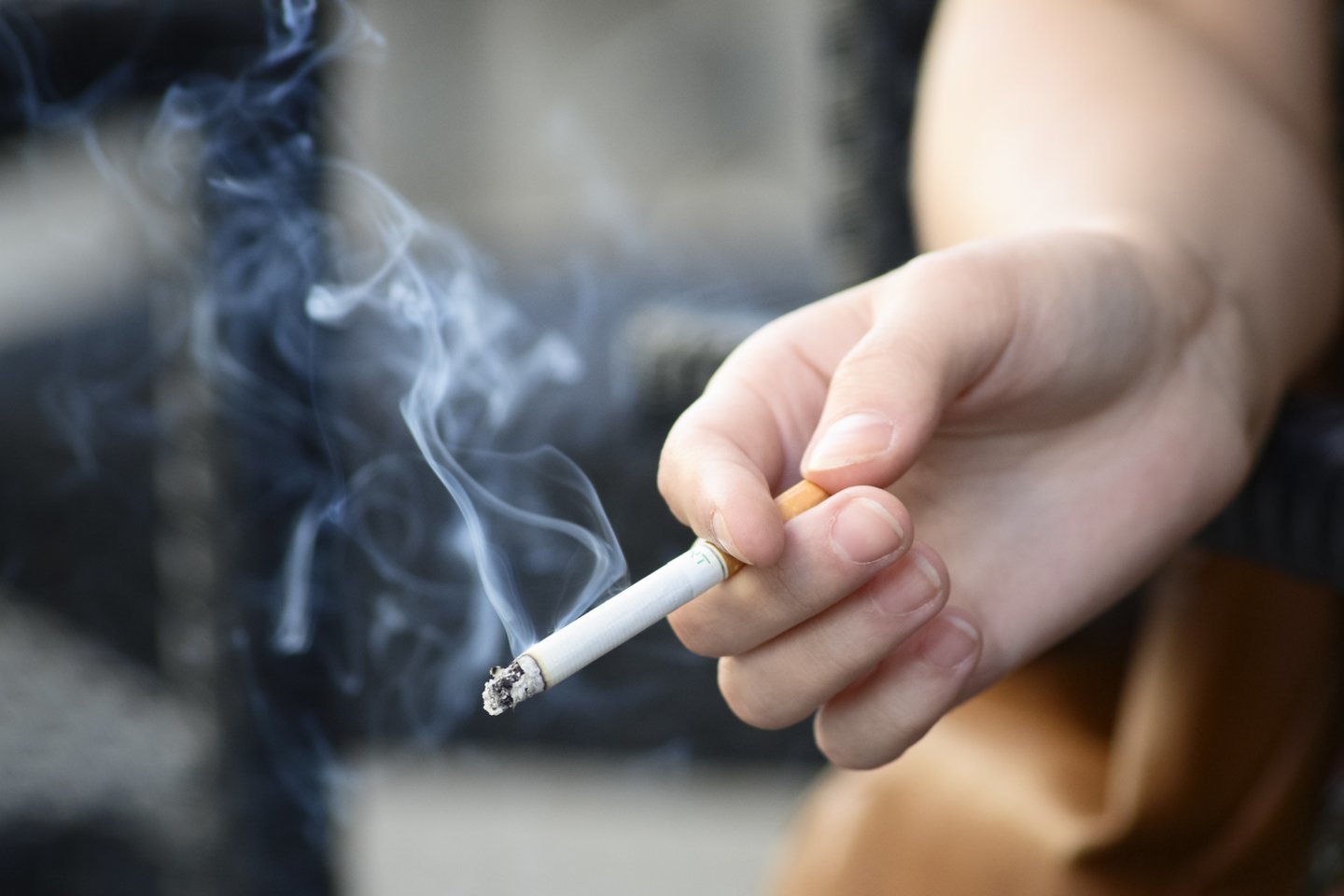
Lars Vangen of the Norwegian Ministry of Finance, representing the Centre Party, has said that tobacco products should be taxed according to the harm they cause. So we can tax traditional cigarettes in Lithuania more because smuggling and illegal trade are disappearing, and we have to consider the harmfulness. There is every opportunity to increase the excise duty on combustible tobacco and to collect more tax.
However, we have been doing the opposite recently. Excise duties are being raised on a less harmful product more than on the most common use.
The US Food and Drug Organisation, which is one of the most stringent in the world, has stated that heated tobacco is less harmful than conventional smoking.
Susiję straipsniai


This year, heated tobacco will cost consumers around 30% more than smoked tobacco, while contraband-sensitive traditional tobacco will cost only a few per cent. So it is time to be bold and review excise duty policy when there is no longer a source of smuggling.