

The minimum five-day period is intended for comments and opinions to be expressed. In contrast, an amendment registered in the evening and adopted in the morning does not provide an opportunity to respond to changes in the law. This is all the more so because it is done at the end of the week, raising questions as to why there is such secrecy and haste in violation of procedures.
In Lithuania, it is established practice that excise duties are changed in accordance with a three-year plan, whereby they are increased consistently for three years in a row, after which a plan for the following three years is established. Now this long-standing practice is being broken, and it is becoming impossible to predict changes.
It should be remembered that the excise duty on strong alcohol was supposed to increase by 12.5% next year, while the excise duty on heated tobacco has already increased by 50% since 2023. And there are plans to expand these taxes even more rapidly. The aim is to impose even higher taxes on Lithuanians, even though the ruling majority has already increased them this year with the tax reform, which raised personal income tax, expanded real estate tax, taxed insurance, increased profit tax, and more.
Susiję straipsniai
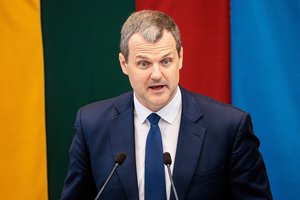
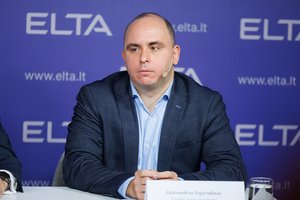

The taxes were increased on the grounds of growing defence needs. In this case, no arguments were presented in support of the tax increases proposed and adopted in five hours. It was not possible to hear them during the procedural violations period.
It can also be added that in many areas of excise goods (fuel, tobacco, and alcohol), a limit has already been reached where raising excise duties generates less tax revenue than increasing the rate. An impressive figure – this year, 200 million litres less diesel fuel than planned in this year's budget will likely be sold, and about 100 million euros less revenue than expected will be received when the excise duty was increased by a quarter.
Not to mention the validity of the excise duties themselves, when we are already surpassing our neighbours Poland and Latvia (not counting smuggling corridors), this year's budget deliberations have been marked by a breach of three-year plans and a gross violation of the government's rules of procedure, with proposals being adopted in a matter of hours without even the minimum five-day period for responding to the amended laws.
How will this tax change be adopted when the public is excluded from the decision-making process? Does the Seimas have the right to vote when the procedure is violated and the rules are not valid?