
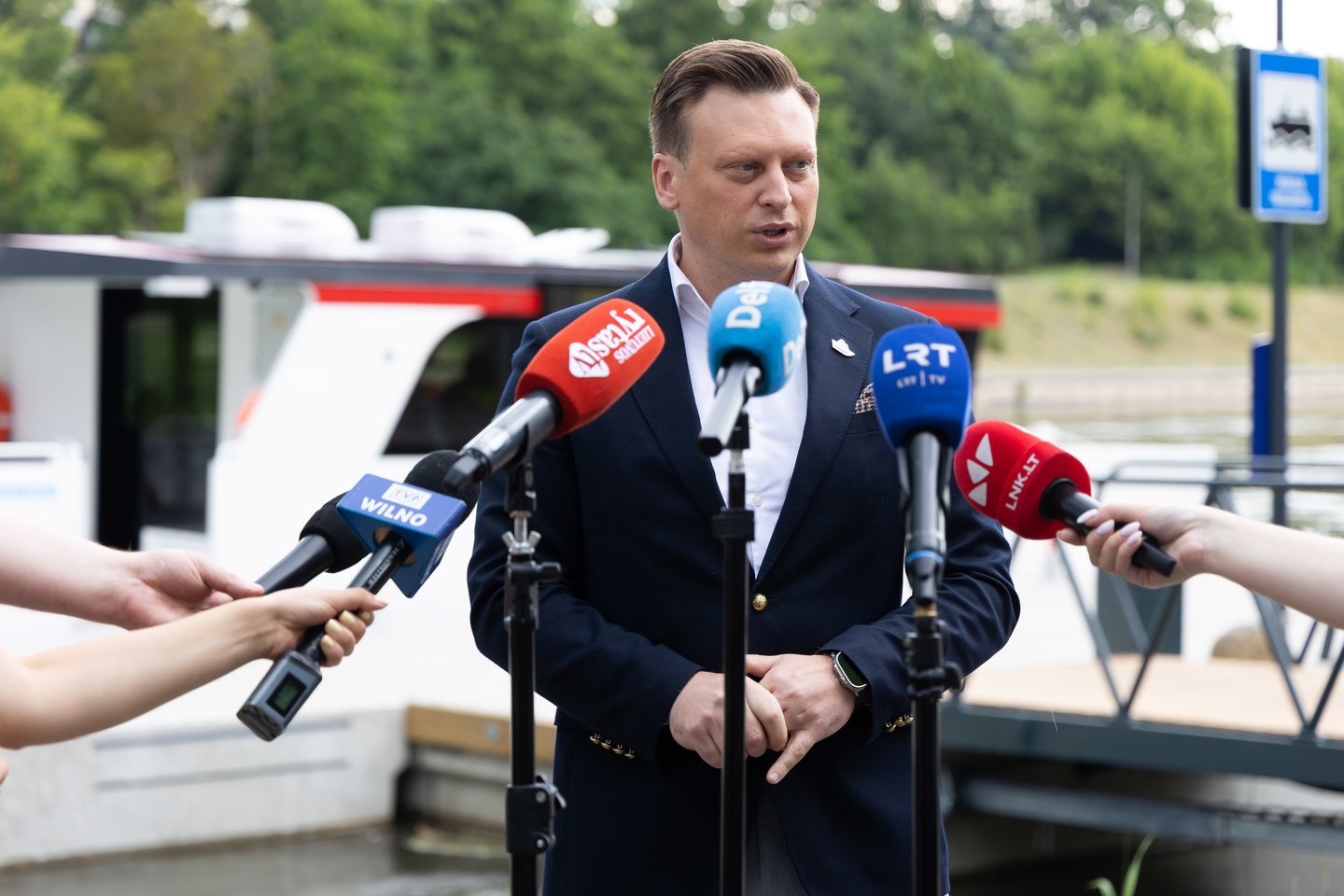
"Right now, it (critical infrastructure protection in Vilnius – ELTA) is pretty modest if you look at it formally. We're talking about a few objects – the airport, air navigation, and Litgrid's main headquarters," Benkunskas said at a press conference on Tuesday.
"But we understand that the enemy's primary target could be infrastructure that is vital to cities. We are talking about energy facilities; we are talking about all other areas where, if their operations are disrupted, the city could be paralysed," he added.
According to the protocol, the Public Security Service (VST) would be responsible for protecting critical facilities. Mobile firefighting units would be formed from VST forces, which would be equipped with non-military equipment provided by the municipality and the necessary weapons supplied by the Ministry of the Interior (VRM).
Susiję straipsniai


"In this case, the city's contribution could be to provide infrastructure and invest city funds in areas not related to weapons.
If we are talking about some mobile forces, this could be cars, computers or other equipment that would be necessary to create such forces," said Benkunskas.
The mayor claims that now that the agreement has been signed, the plan is to clarify all the needs and then initiate all purchases and update the list of critical infrastructure. However, the mayor stated that he could not yet provide details on the cost of everything.
"We will allocate as much money as is needed. (...) We are waiting for specifications and requirements from (VST – ELTA) officials; we will not come up with something ourselves and then buy it. We will coordinate the requirements with the officials to ensure that the equipment is functional for them, and then we will make the purchases," emphasised Benkunskas.
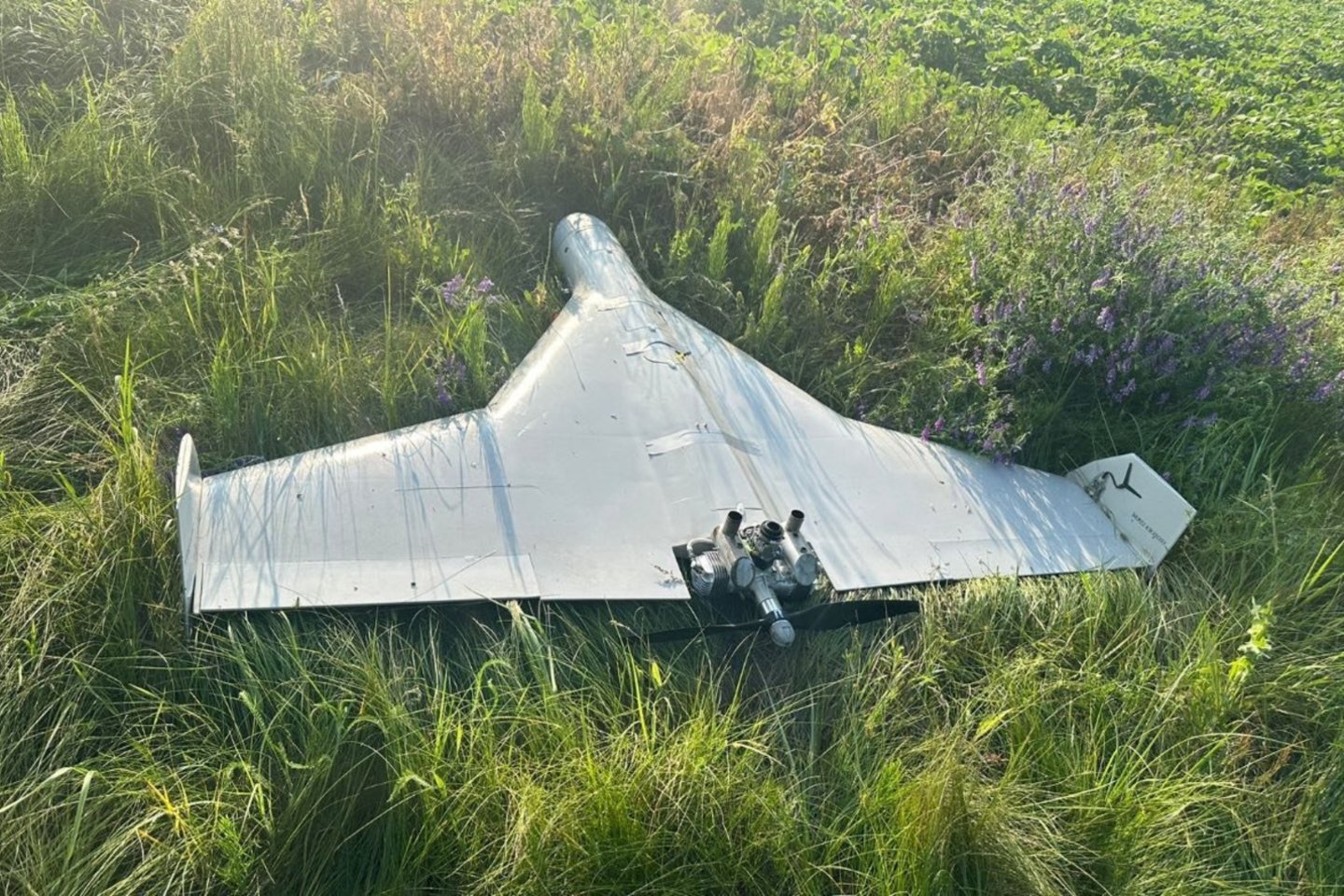
He also added that this protocol is not related to last week's violation of Lithuanian airspace and the crash of a Russian-made drone, suspected to be a Gerbera.
Kondratovičius: no one will shoot with machine guns in the city
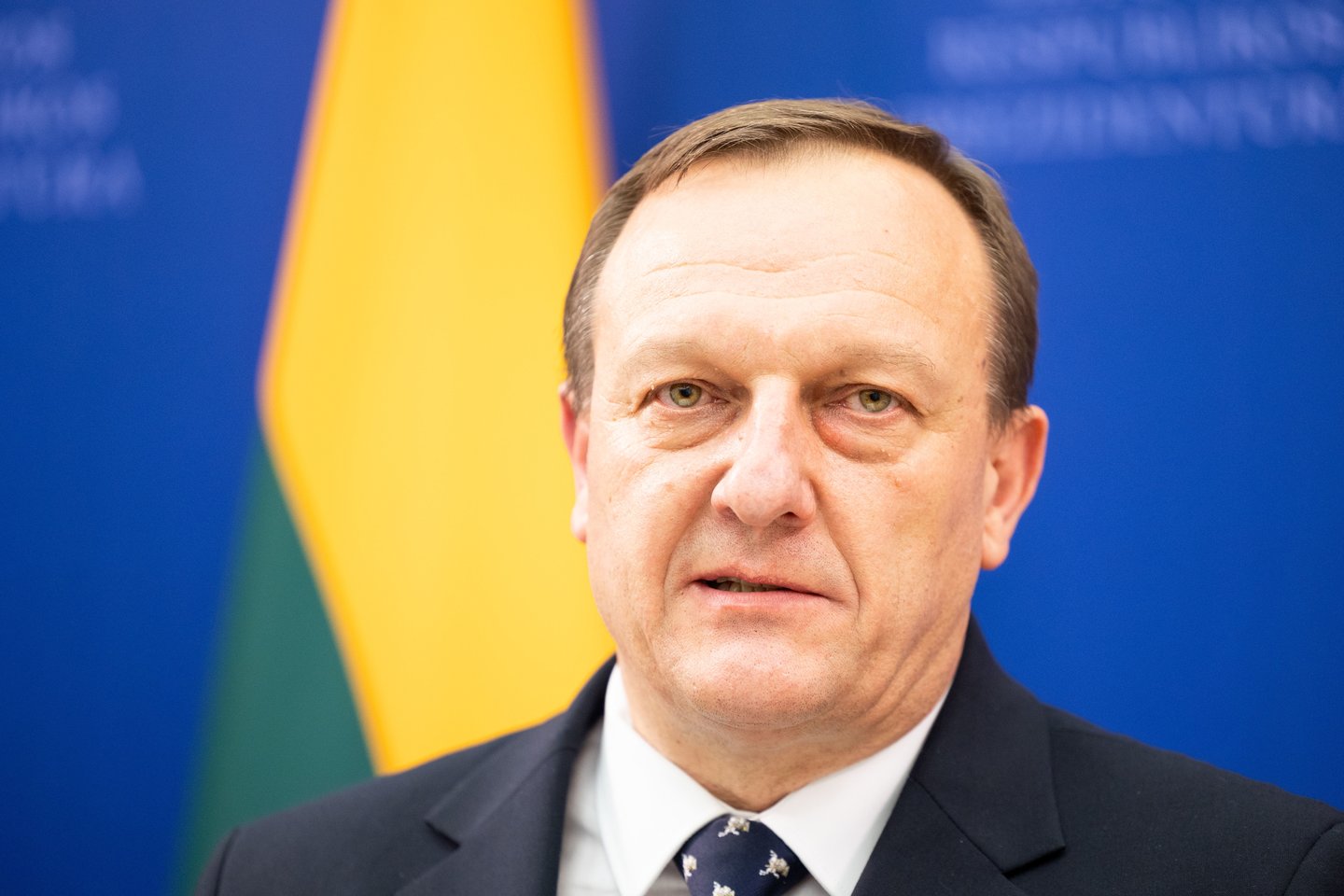
According to Interior Minister Kondratovičius, who signed the memorandum of intent, VST officers will be prepared to join other security structures operating at the time in the event of danger.
"Our public security service is ready for this (...). We already protect several objects in Vilnius, and we also have similar cooperation schemes with companies that request or require such protection," Kondratovičius said at a press conference on Tuesday.
"In the event of war, the public security service is a branch of the armed forces. Today, if we strengthen (infrastructure protection – ELTA), which we are doing and will continue to do, our public security service units will always be ready to join any structure in the event of any conflict. These decisions will be made so that we are one step ahead of potential aggressors and countries that are trying to damage our critical infrastructure," emphasised the Head of the Ministry of the Interior.
However, the minister mentioned that there may be a shortage of VST officers when expanding the critical infrastructure protection network. He said that at present, it is more important to focus on the equipment needed to ensure security rather than on increasing the number of human resources.
"Additional officers will most likely be needed if we expand across the country, across Lithuania, across other large, important municipalities, and we will look at the number of officers needed," said Kondratovičius.
"But it is important to understand that today, we are in Vilnius, but so far, we are only working on certain objects. The emergence of additional objects will not require a geometric progression in increasing these forces; however, it is essential to work out the system. And what is important is to install anti-drone equipment at these sites, which could signal possible threats and neutralise them immediately," emphasised the minister.
He mentioned that special machine guns could also be used to ensure infrastructure security. However, the minister noted that they would only be used outside the city.
"We also have machine guns, but it must be understood that we will certainly not shoot in Vilnius if it poses a threat to residents," Kondratovičius said.
According to him, the equipment intended for protection would also include so-called "drone shooters" and other electronic warfare elements.
"Everything that is used to shoot down a drone that enters a no-fly zone or approaches an object and could cause damage to that object to protect residents," he said.
The parties also undertake to seek opportunities to allocate funds for the implementation of these objectives from both the state and municipal budgets.
As previously announced by the Ministry of the Interior, the protocol covers the protection of water supply, electricity, communications, transport, and other critical infrastructure.
According to the ministry, as Russia continues its military operations in Ukraine, there is a deliberate attempt by the aggressor to carry out attacks targeting critical infrastructure in cities, such as water supply, electricity, communications, transport, and other facilities. Therefore, according to the ministry, there is still a pressing need in Lithuania to develop civil defence capabilities that could protect facilities necessary for the performance of vital functions.