
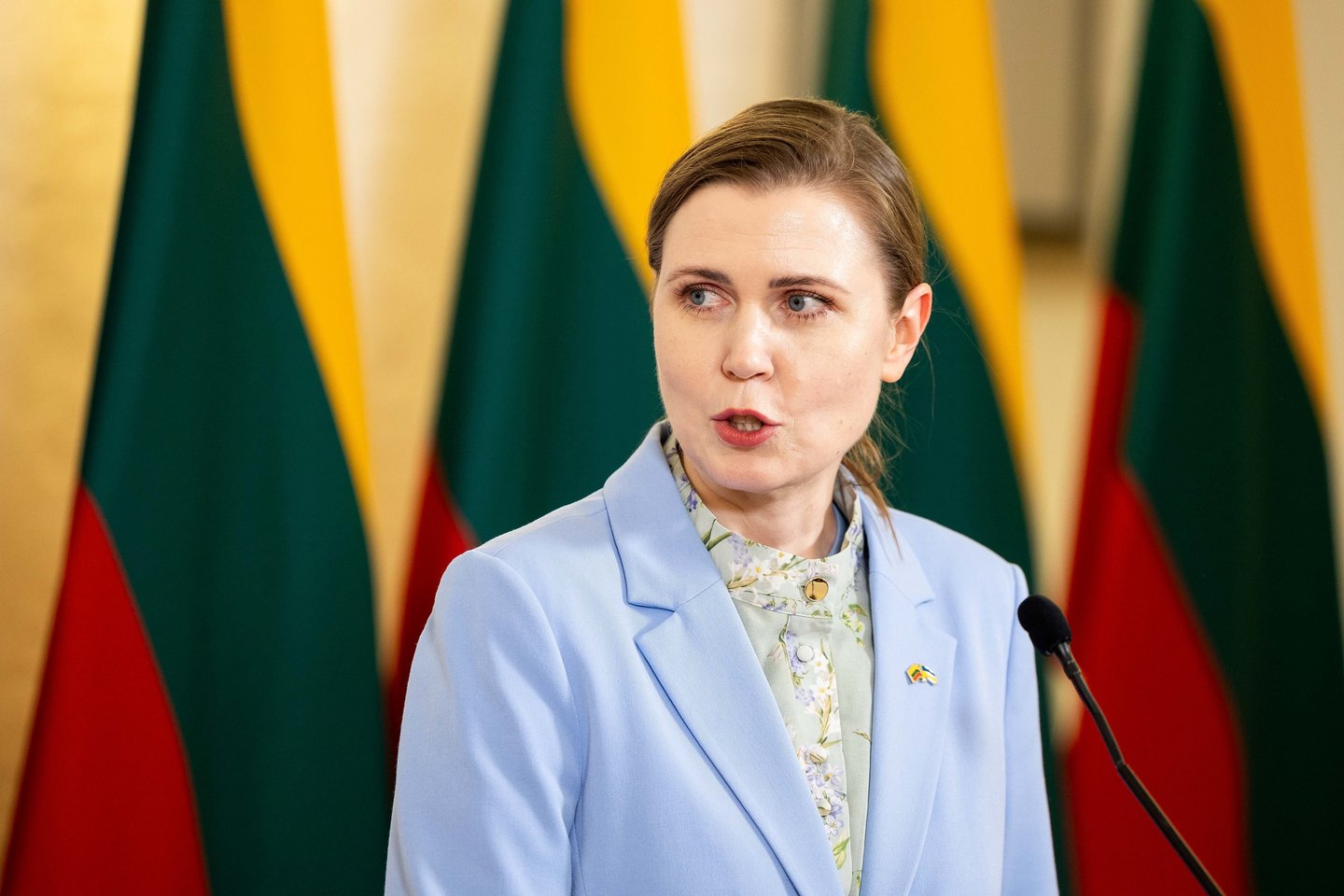
„At present, according to the information we have, no such plans are being observed. However, we all understand that certain things must be physically verified. So, we will be monitoring the situation,“ Šakalienė told LRT radio on Monday.
„The sensitivity lies in the fact that if, after the Zapad exercises, Russian and Belarusian forces do not disperse to their original units, this could raise questions about their plans. This could be seen as an increased risk factor,“ the minister emphasised.
According to the politician, after the active phase of Zapad ends, Lithuania will monitor for several weeks to ensure that the forces above are being returned to their permanent units in Russia and Belarus.
The Lithuanian army and its allies will also continue to conduct exercises.
Šakalienė also noted that the public will be provided with detailed information about the Zapad exercises and what is happening after they end.
ELTA reminds that the joint Russian-Belarusian military exercises Zapad began on Friday morning.
According to the Lithuanian army, approximately 30,000 soldiers are expected to participate in these exercises. Up to 8,000 soldiers are expected in Belarus and up to 4,000 in Kaliningrad. The exercises aim to demonstrate power to the West.