
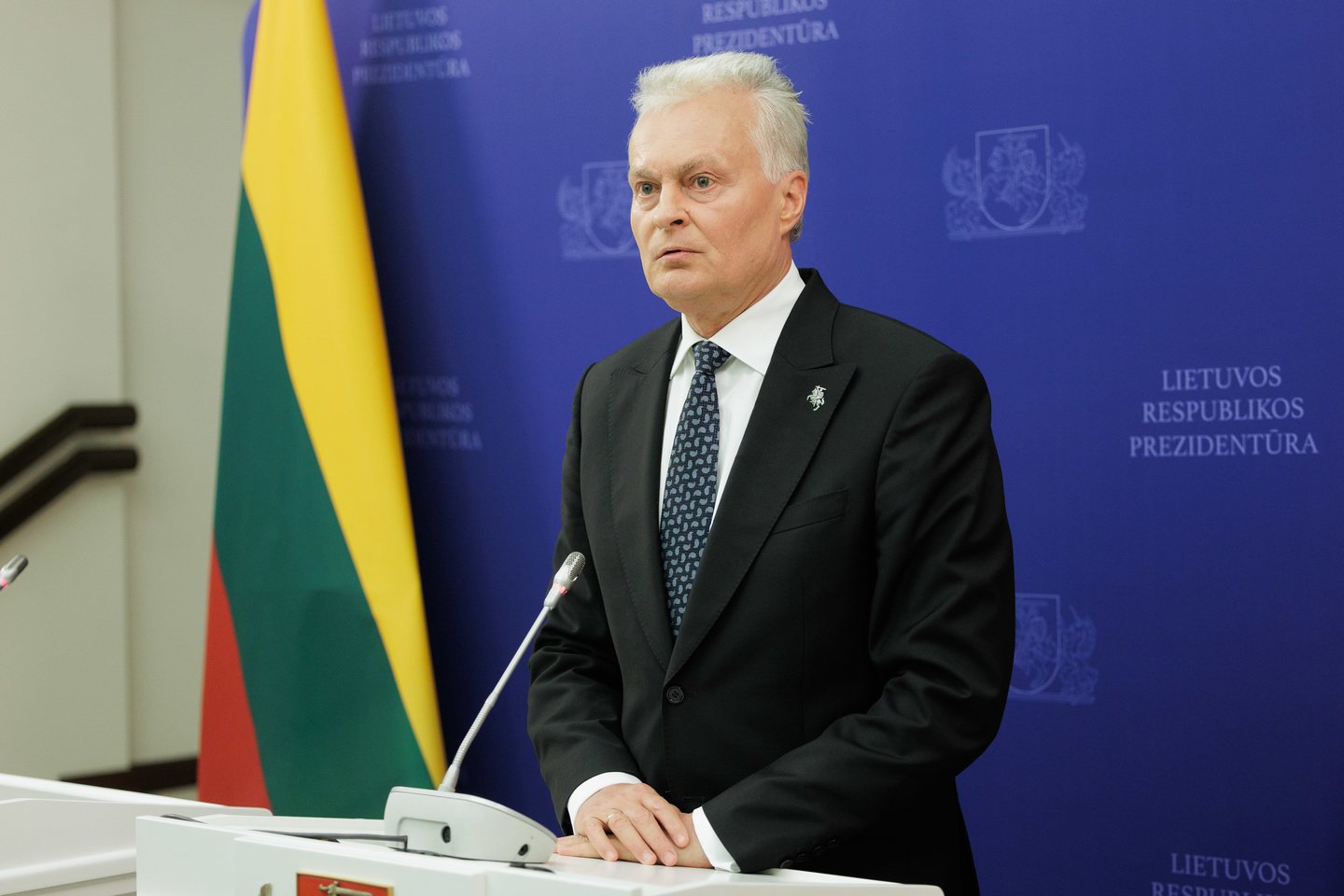
At the same time, the country’s leader emphasises that, although defence capabilities are being consistently strengthened, the level of preparedness for potential threats is not yet sufficient.
„No, there is no new information as such. We all understand perfectly well that Russia has an interest in ensuring that this tension – psychological and otherwise – persists in our countries, so we must remain calm, we must have confidence in ourselves and certainly not give in to the provocations that are taking place. They do not always have the situation under control – we must acknowledge that – and it is quite possible that they do not intend for this to happen at all. Nevertheless, we must now focus less on what they are thinking or planning, and more on how prepared we are to counter these provocations and ensure the safety of our people,“ Nausėda told journalists on Friday.
„Not at the moment, certainly not. Work is ongoing every day. We are acquiring what we need most. And I very much hope that all of this will come together, be integrated and that we will certainly (…) reach the highest level of what we can achieve today with our existing financial resources, namely ensuring a secure sky over Lithuania,“ said Nausėda when asked whether he was satisfied with the country’s preparedness for potential threats.
Susiję straipsniai
As reported by ELTA, the President had earlier stated in an interview with TV3 that there is evidence that Russia is planning certain selective kinetic operations against neighbouring states.
The head of state emphasised that Lithuania is preparing for possible provocations.
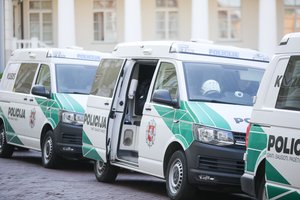
For his part, Defence Minister Robertas Kaunas noted that, following reports of possible Russian operations against the critical infrastructure of the Baltic states, Lithuania has stepped up the protection of strategic sites for an indefinite period.
However, he also noted that Lithuanian intelligence is receiving indications of growing aggression from the Kremlin, although, as he pointed out, no increase in Russian military forces at the border has been recorded. Nevertheless, Mr Kaunas said that Lithuanian intelligence points to growing aggression from the Kremlin.
For his part, Nausėda’s chief adviser, Deividas Matulionis, stated that, in the event of a critical security situation arising from possible Russian provocations in the region, NATO allies would be prepared to deploy additional forces in Lithuania.
The president: it is important that defence funding aligns with the armed forces’ needs
Nausėda urges people „not to play with figures“ when discussing next year’s defence budget. According to him, the most important thing is to ensure that the Lithuanian armed forces’ needs align with the financial resources allocated.
„Let’s not play with figures. In fact, we have very specific needs. (…) Most often, for equipment, for technology, for – I don’t know – ammunition or infrastructure, we don’t pay in percentages; we pay in very specific euros and cents,“ the country’s leader told journalists in Medininkai on Friday, when asked whether the percentage of funding allocated to the national defence system next year should be lower than this year.
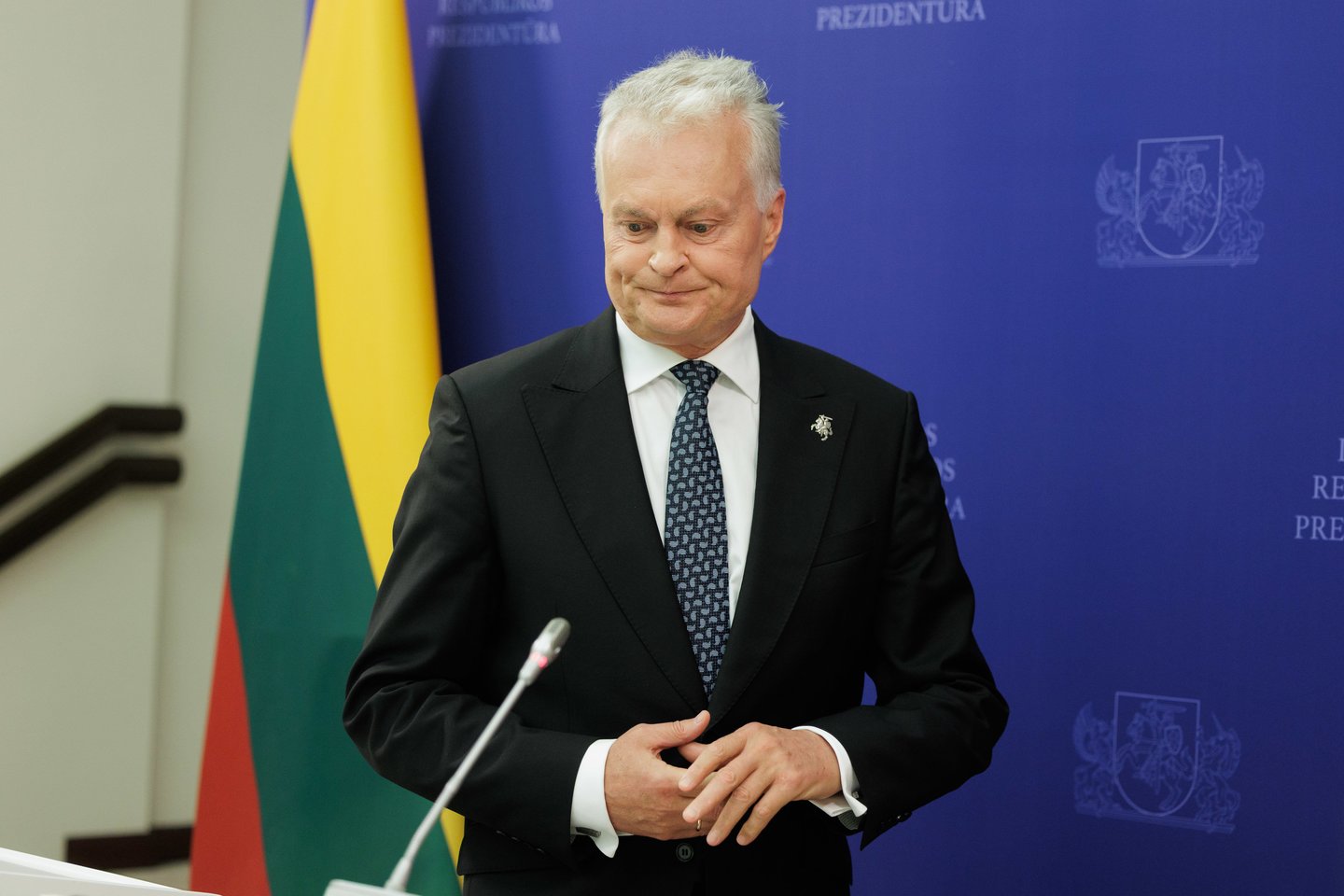
„In this case, it is very important to us that the army’s needs (...) align with the financial resources we can allocate. We do not want there to be too many financial resources, as this would effectively mean that we would be unable to use them in the best possible way; but, on the other hand, we do not want there to be too few financial resources, so that we are simply unable to fund certain things. Let's talk about this first and foremost,“ he continued.
The country’s leader assured that he intends to play an active role in the state budget deliberation process. Although he said other areas are also important, ensuring Lithuania’s security is the top priority.
„I certainly intend to be very active in this budget deliberation process and to fight for what I consider to be the most important issues today. Without a doubt, social policy and our internal security are very important matters, but let us not forget that Lithuania is the vessel whose walls we must ensure remain secure, because everything else depends on our external security,“ said Nausėda.
„We can achieve everything we are capable of, through both our talents and our hard work, but let us not allow external forces to undermine everything we have achieved over the years. And I am convinced that we are capable of doing so,“ he added.
Defence funding for 2026 amounts to EUR 4.79 billion, or 5.38 per cent of gross domestic product (GDP).
Of this, EUR 1.7 billion is earmarked for armaments and military equipment, around EUR 305 million for air defence, around EUR 480 million from the State Defence Fund for the development of the national division’s capabilities, around EUR 50 million for the infrastructure of the German Brigade, and around EUR 240 million for the development of military infrastructure.
Reaction to the crisis in Spain
Following the influx of around half a hundred thousand migrants into the Spanish exclave of Ceuta, Nausėda says that the European Union (EU) cannot afford to have porous borders. He assured the European Council (EC) that he would do everything in his power to ensure the EU has a very clear migration policy.
„This really should not be the case, and we certainly cannot afford to have porous borders in every sense of the word. Both in terms of our national security and relations with aggressive neighbours, and in terms of migration. Lithuania sets an example in this regard, ensuring the security of its borders; However, we have experienced, and continue to experience, considerable tensions over the years; we have managed to cope and are now even in a position to help our Latvian neighbours deal with their problems,“ Nausėda told journalists in Medininkai on Friday.
According to him, the situation in Spain does not contribute to the EU’s internal stability; it raises doubts about the Schengen Area and creates incentives to erect internal barriers and borders. In the head of state’s view, this is not what the EU is about.
„The EU is, in my view, something that is very well protected from the outside and which has no barriers and no internal borders within the EU itself. Such an EU is the goal, and I will do everything I can at all European Council meetings to ensure that we do not simply adopt a stricter migration policy, but rather a very clear one, and that we do not simply drift along regardless of the current issues or circumstances that arise,“ commented the president.
In Mr Nausėda’s view, it is time for the EU to act not as it did in 2016 or 2017, but as the current situation demands.
According to official figures from Spanish officials reported by the foreign media, around 49,000 migrants have entered the Spanish exclave of Ceuta in North Africa over the past 24 hours. Most of them arrived by boat from neighbouring Morocco.
According to the Spanish public broadcaster RTVE, there were many minors and children among the arrivals.
The regional government of Ceuta has called on Madrid to declare a national state of emergency and deploy the Spanish army to the border with Morocco. Madrid has no intention of declaring a state of emergency, but has ordered military units stationed in Ceuta to be sent to assist border officials.
On Thursday, Italian Prime Minister Georgia Meloni called for Spain’s membership of the EU’s visa-free Schengen Area to be suspended.