
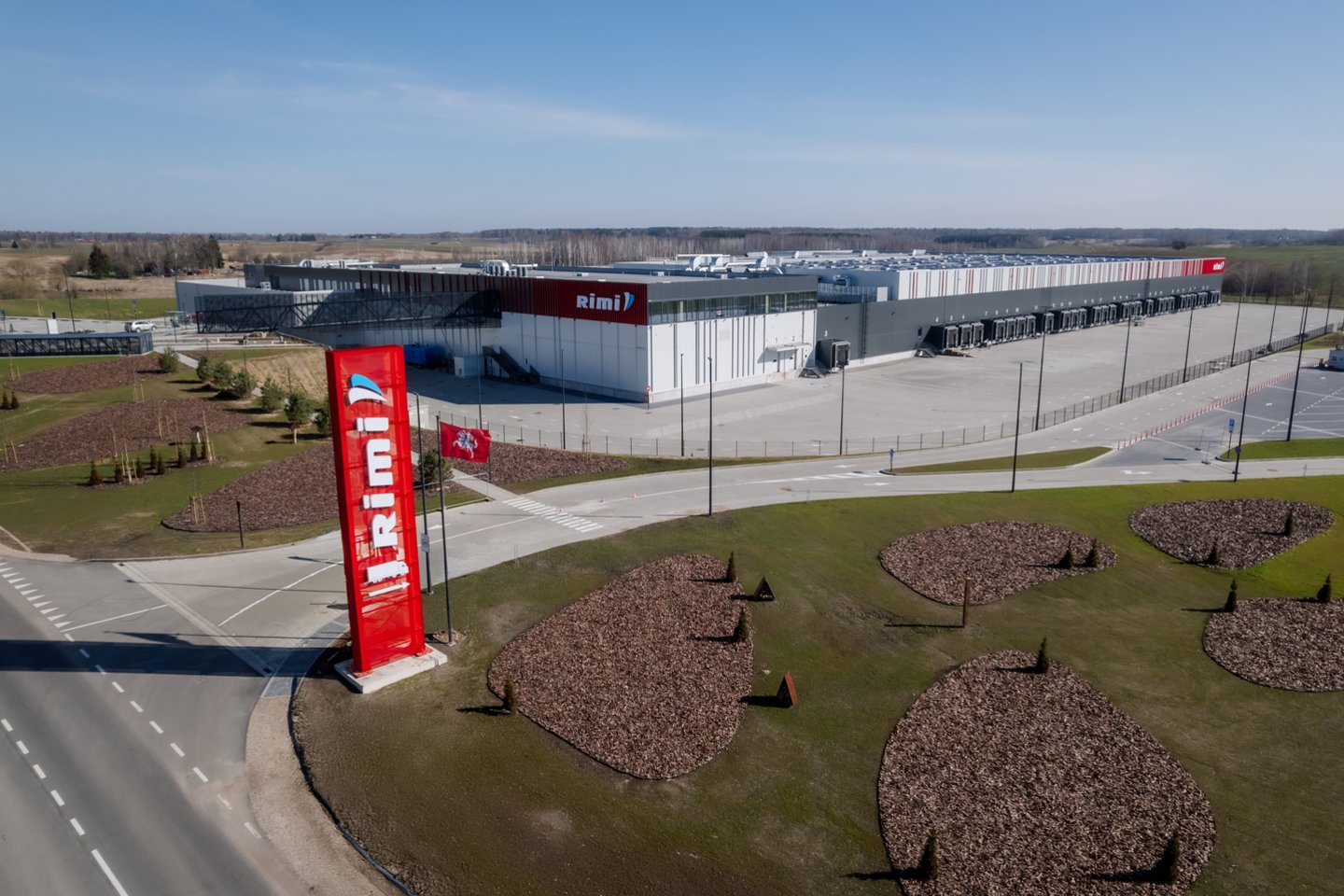
„We set ambitious sustainability targets for this project to ensure that the selected solutions would deliver tangible economic benefits while reducing the building’s energy and water consumption. Equally important was creating a safe and comfortable environment for the people working here, while also protecting nature,“ says Sigita Survilaitė, CEO at Darnu Group.
According to Danguolė Bisikirskė, BREEAM Assessor and Senior Sustainability Advisor at Vesta Consulting, the Excellent rating for new construction is currently the highest BREEAM level achieved in the industrial buildings category in the Baltic states.
„To achieve this level, a new-build project must score at least 70% of the available BREEAM points and meet the specified minimum requirements. In the Baltic states, this is the highest BREEAM rating awarded to an industrial building to date. Based on this result, the Rimi logistics centre ranks among the top five buildings of its type in the region in terms of its BREEAM New Construction rating,“ says D. Bisikirskė
Susiję straipsniai

Outstanding Initiatives Aimed at Promoting Employee Wellbeing
According to D. Bisikirskė, the high rating awarded to the Rimi logistics centre reflects its exceptionally high level of compliance with requirements in the areas of waste, water and project management. Most of the points that contributed to its Excellent rating, however, were earned in the areas of energy and employee health and wellbeing.
The expert highlights the organisation of employee access to the building as one of the most notable solutions. A dedicated bridge has been installed above the heavy-vehicle manoeuvring area, completely separating employee and truck traffic.
„In a logistics centre with heavy goods vehicles constantly on the move, this solution strengthens workplace safety by protecting employees as they enter the building and clearly separating vehicle and pedestrian traffic. The high rating was also supported by the recreational environment by the building, including landscaped areas, wildflower meadows, and dedicated spaces for leisure. „These are far more than aesthetic choices – under the BREEAM assessment, they play an important role in promoting employee health and wellbeing,“ says D. Bisikirskė.
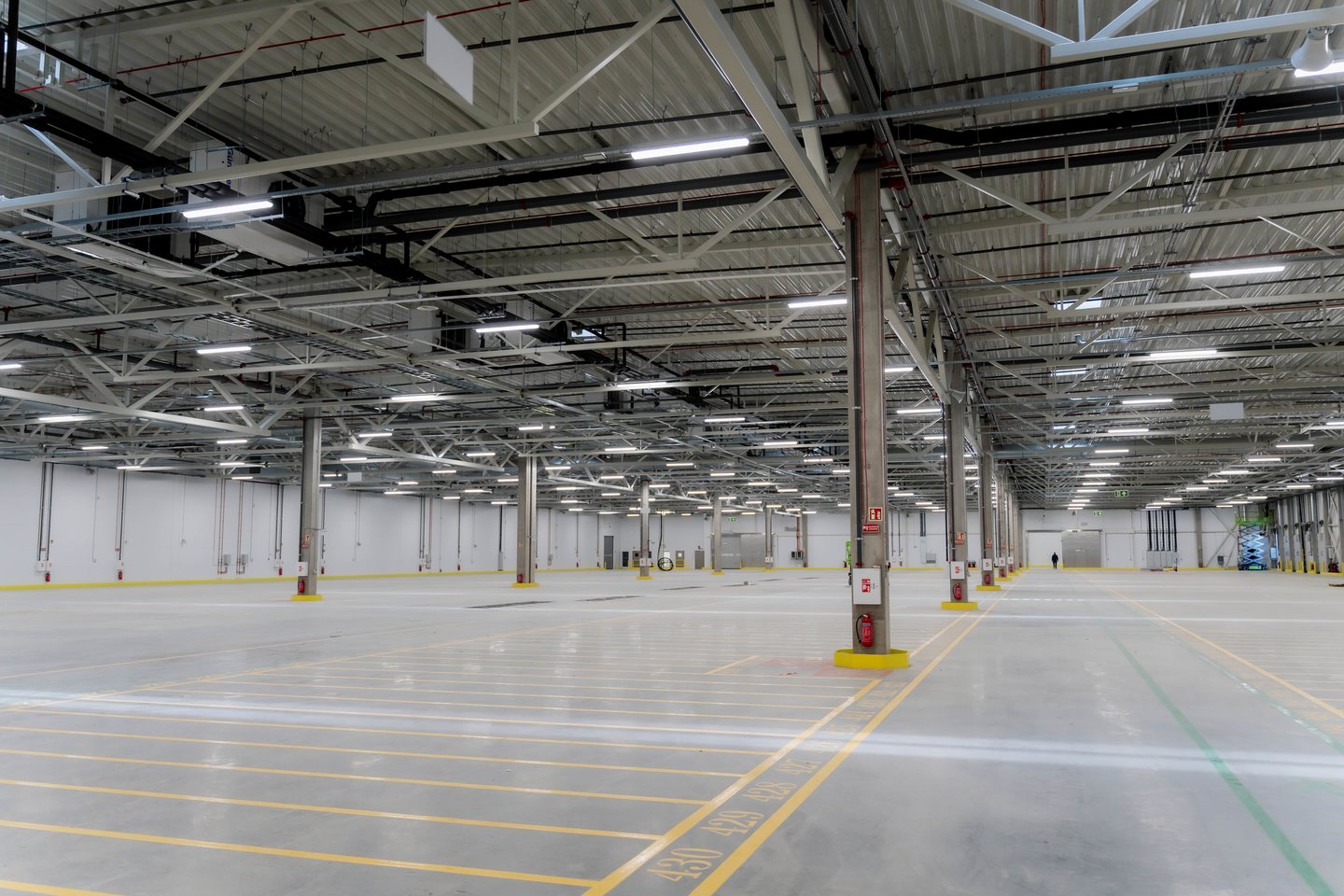
BREEAM requirements were also integrated into the construction process, covering everything from material compliance and construction waste management to pollution prevention, system testing, and the control of design changes. According to the expert, achieving a high-quality result depends not only on designing the right solutions but also on ensuring their consistent and effective implementation on site.
Value-creating solutions
The BREEAM assessment of the Rimi logistics centre also reflects the building’s specific performance and efficiency metrics. Its primary energy consumption is estimated to be approximately 66% lower than that of a baseline building meeting minimum energy performance requirements. Water consumption for sanitary purposes has been reduced by approximately 53% compared with the BREEAM baseline, while the rooftop solar power plant helps reduce the building’s annual CO₂ emissions by 13%.
Energy modelling was carried out at an early stage of the design process to forecast the building’s actual energy consumption during operation. This made it possible to assess and optimise system performance at an early stage, while reducing the gap between projected and actual energy consumption.
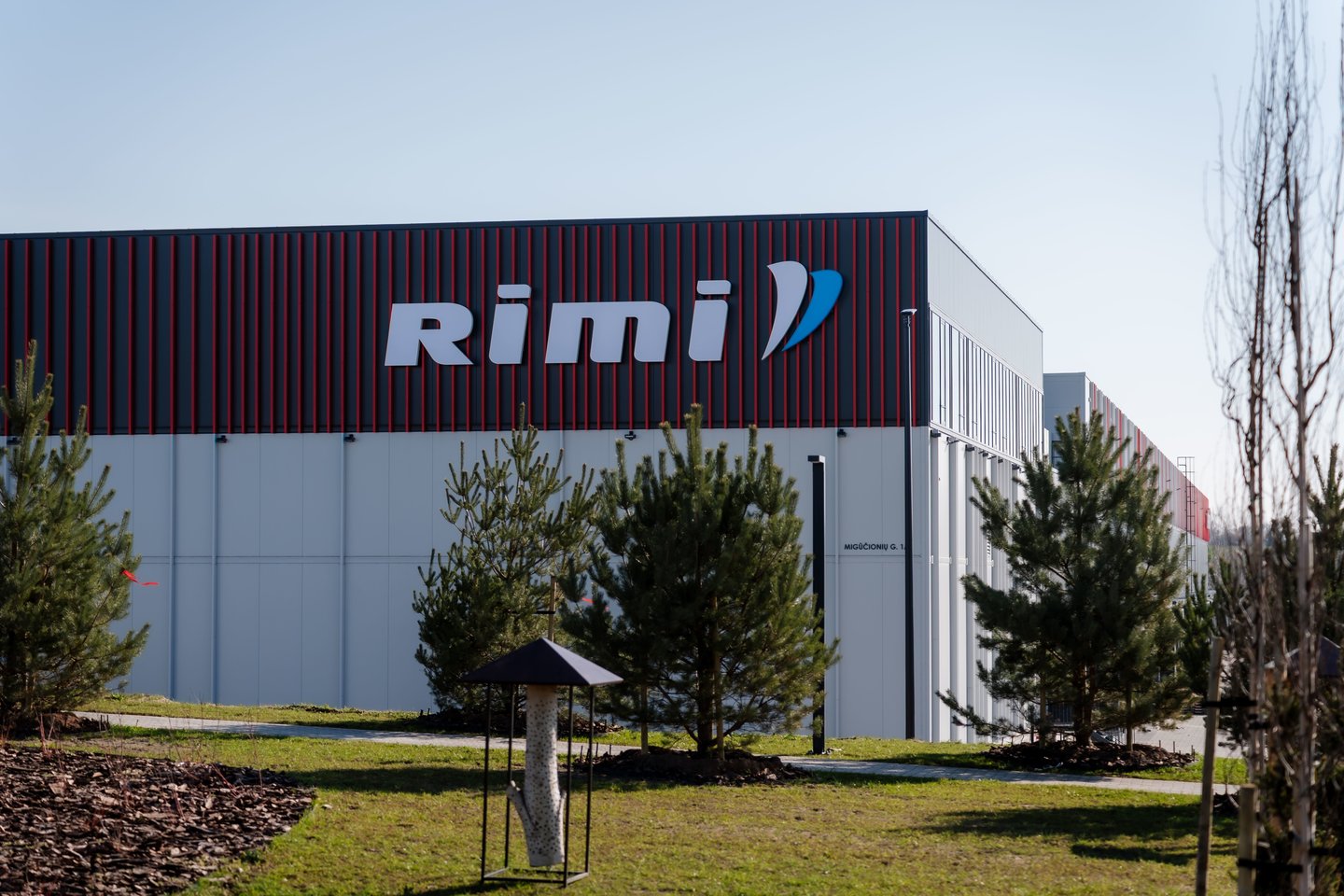
According to D. Bisikirskė, while these indicators contribute to lower operating costs, their importance goes beyond day-to-day efficiency. A high BREEAM rating can also strengthen the property’s long-term value and competitiveness.
„Certified buildings typically appeal to a broader pool of potential buyers and tenants, making them more marketable than comparable properties without certification. Market research also indicates that certified sustainable buildings can command a premium of around 5% or more, depending on market conditions and the characteristics of the property. For investors, this translates into lower long-term financial and technical risks and greater protection of the property’s value. For occupiers, it means lower operating costs and more efficient use of energy and water,“ says D. Bisikirskė.
According to Darnu Group, these criteria are becoming increasingly important when developing large-scale commercial property projects.
„We take a long-term view of these projects, so our decisions must consider the needs of tomorrow, not just today. A building should remain efficient, high-quality, and relevant throughout its lifespan, while also continuing to meet evolving market expectations. „That is why we see high sustainability standards as a key part of the building’s long-term quality,“ says S. Survilaitė.