
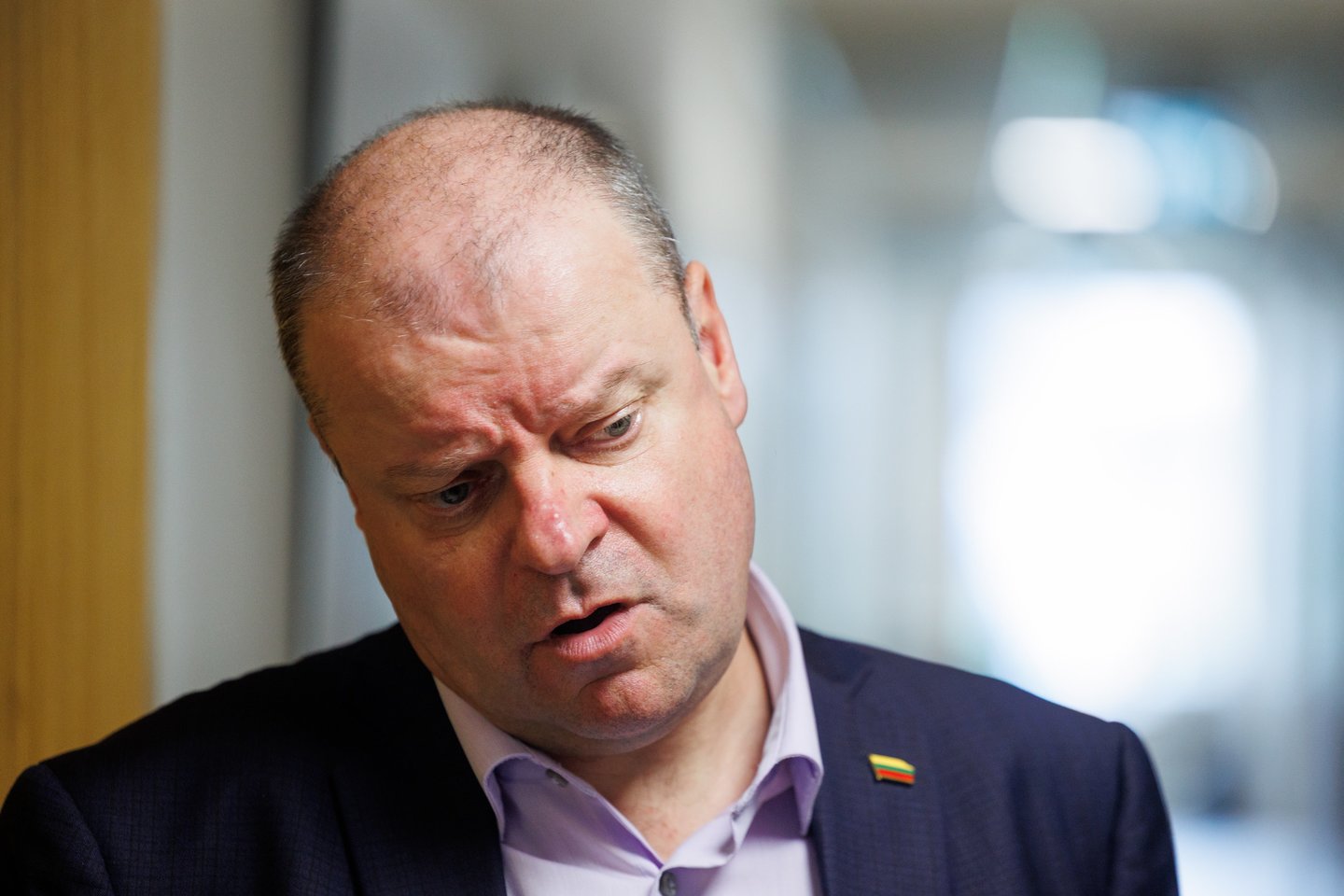
„Due to the preventive measure requiring him to wear an ankle monitor, the member of the Seimas would, for technical reasons, be unable to participate in closed-door sessions where classified information is presented and discussed, since such sessions take place in special rooms where no electronic devices are permitted,“ the Seimas Chancellery stated in a response sent to ELTA.
The lawmaker, who is suspected of bribery, holds a security clearance to handle classified information. The Seimas Chancellery stated that it has no information that would provide grounds for revoking this clearance.
„We have not received any documents from state institutions or specific data that would provide grounds for revoking a member of the Seimas’s authorisation to handle or access classified information marked with the ‘Strictly Confidential’ classification,“ the Chancellery emphasised.
Susiję straipsniai
„Pursuant to Article 20 of the Law on State and Service Secrets, a decision regarding the revocation of a clearance to work with or access classified information may be considered and adopted only after receiving an assessment and recommendation from the competent authority regarding such revocation,“ the response emphasises.
As provided by law, the right to work with and access classified information is granted, based on an assessment by the State Security Department (VSD), by the head of the entity holding the classified information—in this case, the speaker of the Seimas.
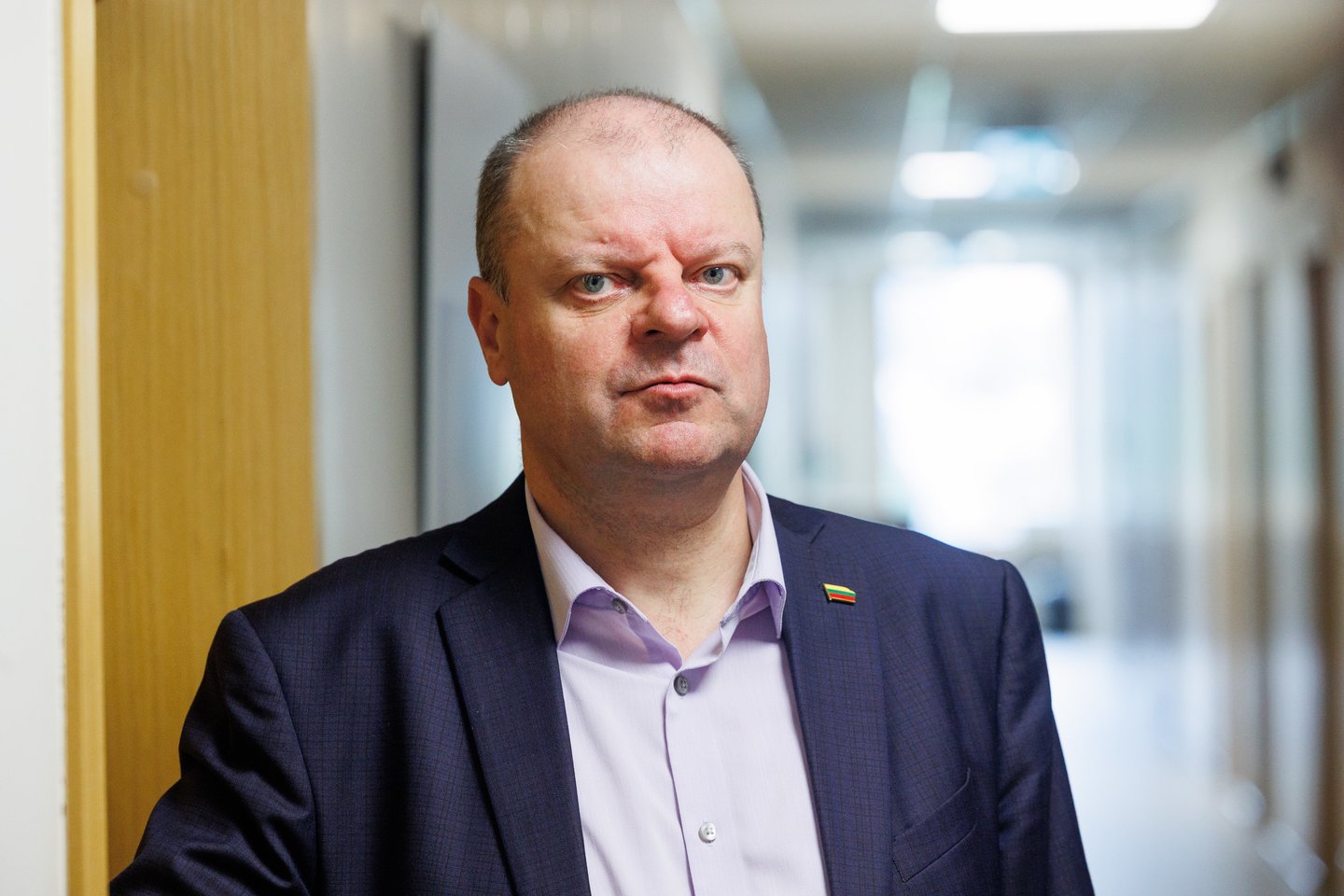
As previously reported, during an investigation into possible corruption at the Plant Production Service, Member of Parliament Skvernelis was ordered to wear an ankle monitor as a preventive measure.
He told ELTA that he disagrees with the decision to require him to wear an ankle monitor. The lawmaker stated that he had appealed this decision in court.
As part of the investigation into possible corruption at the Plant Production Service, searches were conducted in February at Skvernelis home and office. In April, the lawmaker was charged with bribery.
ELTA notes that last December, during an investigation into a particularly large-scale corruption case at the Plant Production Service, officials detained 13 people. Later, the number of suspects rose to 15.
According to law enforcement, data collected during the investigation revealed that representatives of companies transporting plants and plant products were systematically demanded to pay—and did pay—large bribes in exchange for phytosanitary certificates issued by the service to freight carriers.
Even at that time, those named as suspects included the agency’s director, Jurijus Kornijenko—who had been suspended from his duties—his deputy, Mantas Butas; advisor Agnė Silickienė, who had also worked with Member of Parliament Skvernelis; Giedrius Urbelionis, head of the Alytus regional branch, and Dalia Šubonienė, acting head of the Kaunas regional branch.
During more than 100 searches, over EUR 1.3 million in cash and 8 kilograms of gold, valued at approximately EUR 1 million, were seized; 11,000 packs of cigarettes, 14,000 litres of alcohol, cocaine, and explosives were also found.
In February, searches were also conducted at the home and office of Conservative Party member Kazys Starkevičius. He was later charged.
Starkevičius resigned from his seat in the Seimas and announced that he was suspending his membership in the TS-LKD party. He later admitted to the news portal 15min that he had accepted a bribe of up to EUR 20,000.