
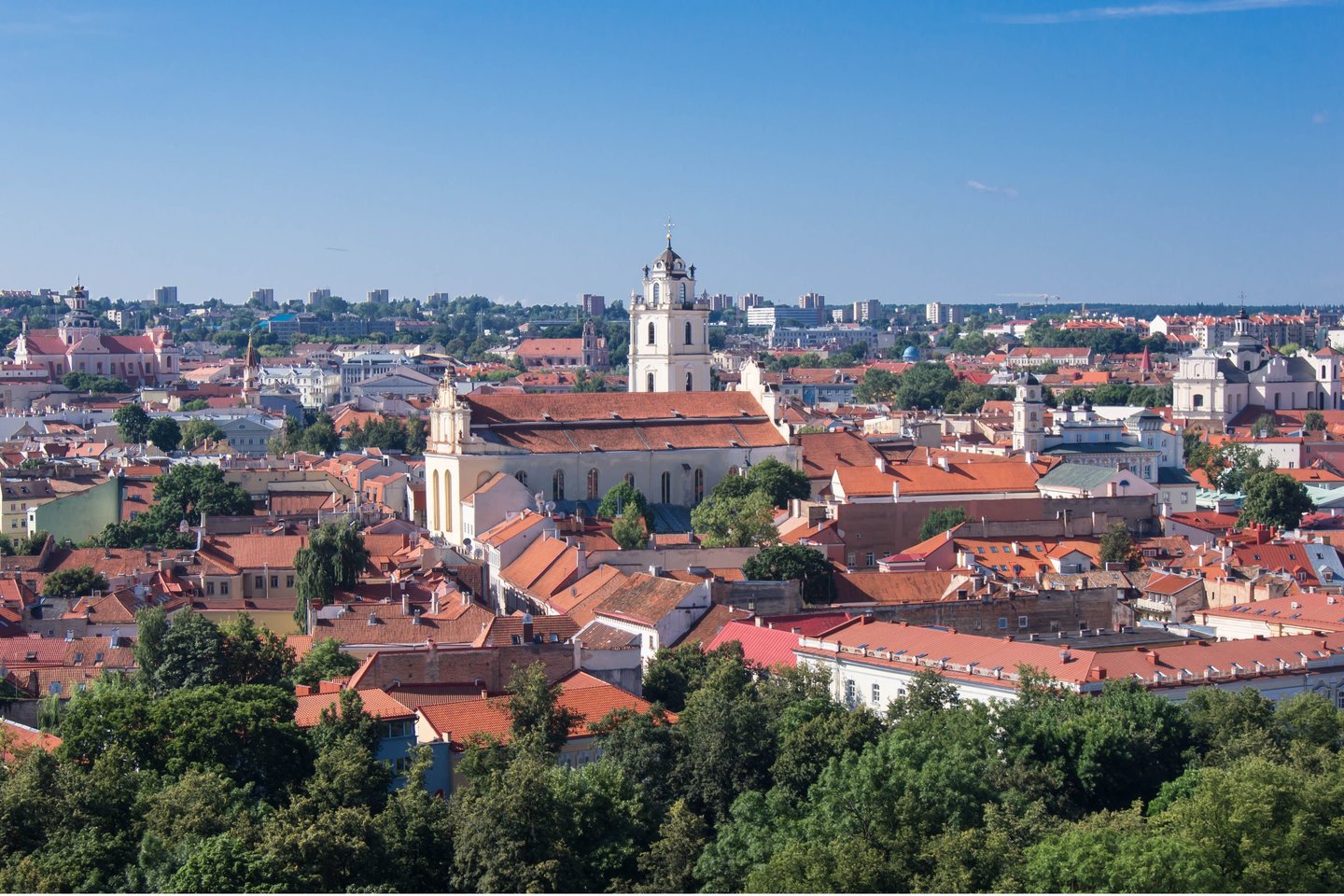
According to the project leader, Prof. Dr Rimantas Jankauskas, Head of the Centre for Human Bioarchaeology and Palaeogenetics at VUMF, this project is important not only nationally but also internationally: „Databases of this scale are rare even by international standards, so the data collected will become an important resource for researchers in both Lithuania and abroad.“ The research team consisted of staff members from the centre: Assoc. Prof. Dr Žydrūnė Miliauskienė, Dr Justina Kozakaitė, and doctoral student, Rūta Brindzaitė; Prof. Dr Giedrė Motuzaitė Matuzevičiūtė Keen from the VU Faculty of History; Dr Irma Kaplūnaitė and Dr Rytis Jonaitis from the Institute of the History of Lithuania; and the statistical data analysis was carried out by Prof. Dr Audronė Jakaitienė and master’s student, Agnieška Rudinska from VU Faculty of Medicine.
How is it possible to study people who lived several hundred years ago?
Many people assume that old human remains can only reveal a person’s gender or approximate age. Modern bioarchaeology, however, allows us to uncover much more. The project combined anthropological, archaeological, historical and advanced laboratory methods. Researchers recorded the place of burial, social status, religious affiliation, age at death, gender, signs of various diseases and any injuries to the skeleton, the dental condition, and other biological indicators for each individual.
Laboratory analysis formed a key part of the project. Researchers carried out 20 new radiocarbon datings (C14), 130 new carbon and nitrogen isotope analyses, and 75 strontium and oxygen isotope analyses. These methods not only allow for more accurate dating of the remains, but also make it possible to reconstruct an individual’s diet, living conditions, and even determine whether they grew up in Vilnius or had migrated from other regions.
Susiję straipsniai


Diet – a reflection of social inequality
One of the project’s key objectives was to determine the diet of the inhabitants of Vilnius during different historical periods. As a result, stable carbon and nitrogen isotopes in bone collagen were analysed. These chemical markers make it possible to reconstruct a person’s diet during the final years of their life.
The results of the study show that the diet of Vilnius residents gradually changed from the 13th to the 18th century. „As part of our project, researchers identified a significant increase in protein consumption, indicating that in later periods, people’s diets included more products from higher trophic levels, such as freshwater fish and other animal-derived foods and also possibly greater consumption of plants fertilised with manure. Indicators of dental wear revealed a general shift in diet towards a less abrasive diet, i.e. one that causes less wear on tooth enamel. So, the residents of Vilnius in the 18th century had a different diet from that of their predecessors four hundred years earlier. These changes are most likely linked to the economic, environmental, and cultural processes that unfolded in the city over several centuries,“ Prof. Jankauskas explained.
Traces of social inequality were particularly evident in the study. The diets of people of higher social status were significantly richer in animal protein. Furthermore, the differences observed between social groups also point to unequal access to food: wealthier individuals were more likely to have consumed meat, fish and other more expensive products more frequently. In some cases, researchers also observed improvements or, conversely, deterioration in diet over the life course, suggesting a rise or fall in an individual’s social status over time.
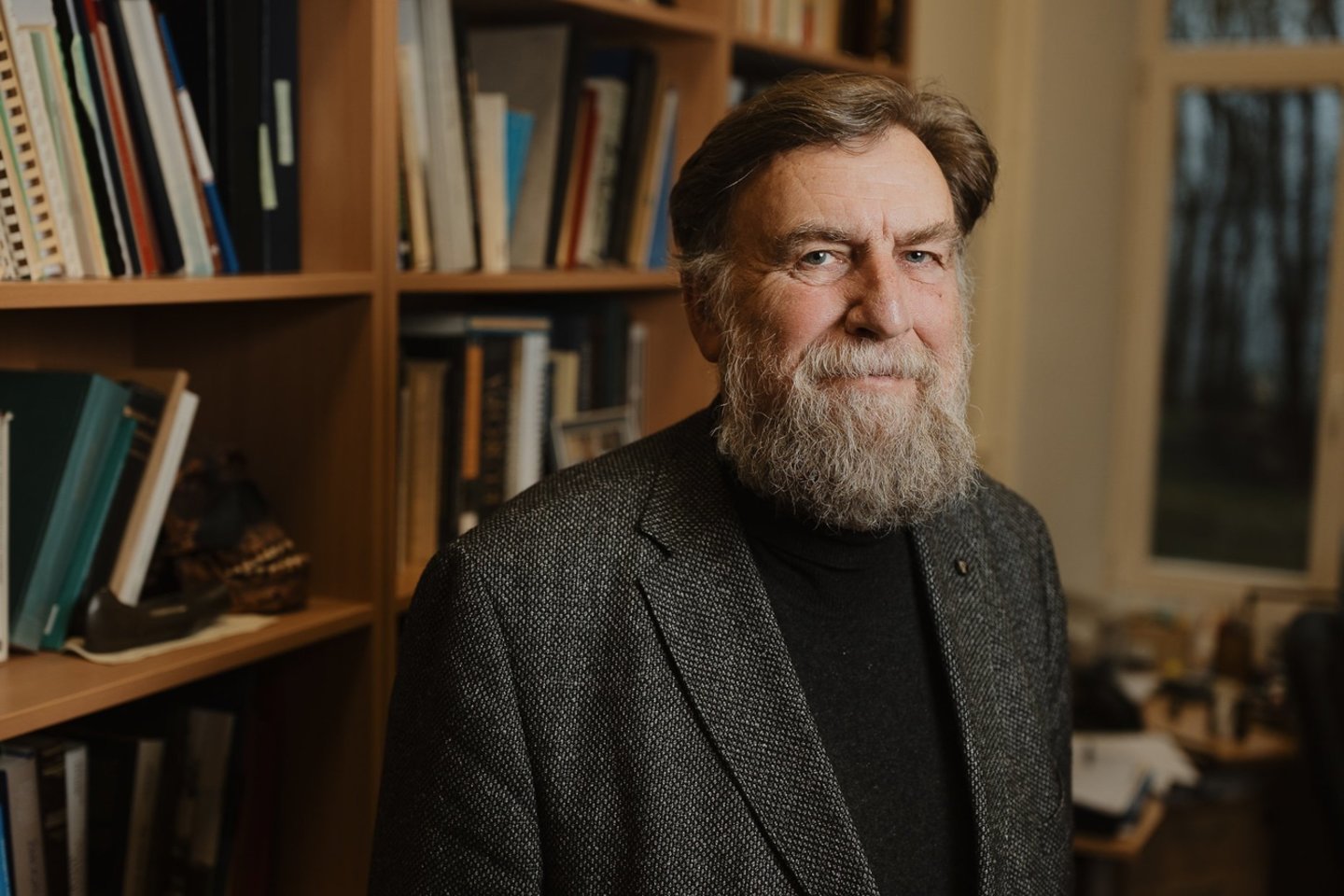
Photo by U.Bagdonavičius.
The diets of individuals from lower social strata were likely dominated by plant-based foods and other nutritionally less valuable products. However, one discovery surprised the researchers: analysis of childhood nutrition, based on dental tissue data, revealed that social differences were far less pronounced during early life. Children of both the elite and ordinary townspeople consumed mostly similar food. This suggests that social distinctions in diet only became most pronounced in adulthood.
Religion influenced not only faith but also the daily diet
In the Middle Ages and early modern period, Vilnius was a multi-denominational town, home to Catholics, Orthodox Christians, Protestants and members of other religious communities. Bioarchaeological studies of the remains of Vilnius’ inhabitants have shown that religious affiliation may have influenced diet. The diet of Protestants appears to have been the richest in animal protein. Catholics occupied an intermediate position, whilst the Orthodox individuals had the lowest protein intake. Uniate monks (buried in the Vilnius Holy Trinity Church [Basilian]) followed a diet rich in animal protein, comparable to that of the social elite of other denominations.
According to researchers, these differences may have been determined by religious traditions, fasting practices and varying dietary restrictions. This discovery is significant because, for the first time, it has enabled an objective assessment of lifestyle differences among religious communities based on direct biological evidence.
Many old Vilnius residents suffered fractures to their ribs and hand bones
The project has also revealed another aspect of life in the town. In order to identify bone fractures among the past inhabitants of Vilnius, skeletal remains underwent detailed visual examination, and also X-ray imaging. The aim was to determine the mechanisms of injury and to distinguish accidental trauma from injuries caused by violence.
Analysis of the injuries revealed that inhabitants of historical Vilnius suffered bone fractures significantly more frequently than people living in rural areas or smaller towns. The most common fractures were to the ribs and hand bones. This is consistent with historical sources, that describe frequent conflicts, violence, brawls and hard, physically demanding labour in the urban environment.
According to the researchers, men suffered injuries more frequently than women, however over time, the number of injuries among women also increased. It is thought that this may be linked to the changing role of women in the city’s economic life and the labour market.
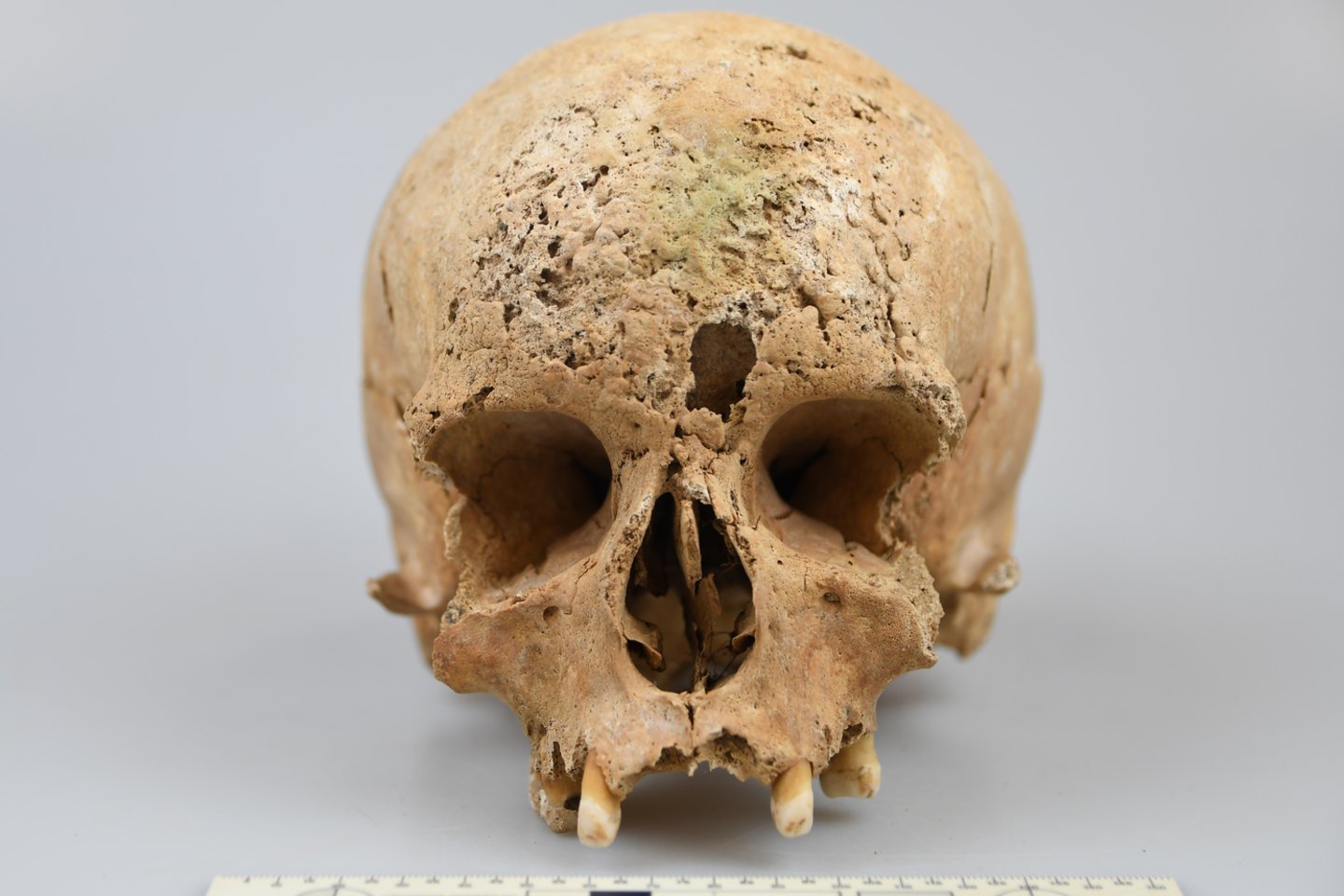
Photo by J. Kozakaitė.
Another unexpected finding was the higher frequency of skull injuries among members of the elite. This suggests that individuals from higher social strata also faced specific risks – perhaps they were involved in armed conflicts, political struggles or became victims of targeted violence.
Tuberculosis – the town’s invisible companion
During the study, researchers also examined evidence of disease. Infectious diseases in Vilnius, as in other European towns, are believed to have been among the main causes of morbidity and mortality. Some diseases leave clear traces in the skeleton, for example, orbital lesions (cribra orbitalia) may develop as a possible consequence of anaemia and other nutritional deficiencies, while horizontal lines in tooth enamel indicate interruptions in growth following childhood experiences of stress, deprivation, starvation or severe illness. However, most diseases leave no skeletal traces, or changes are non-specific, making them undetectable using conventional methods.
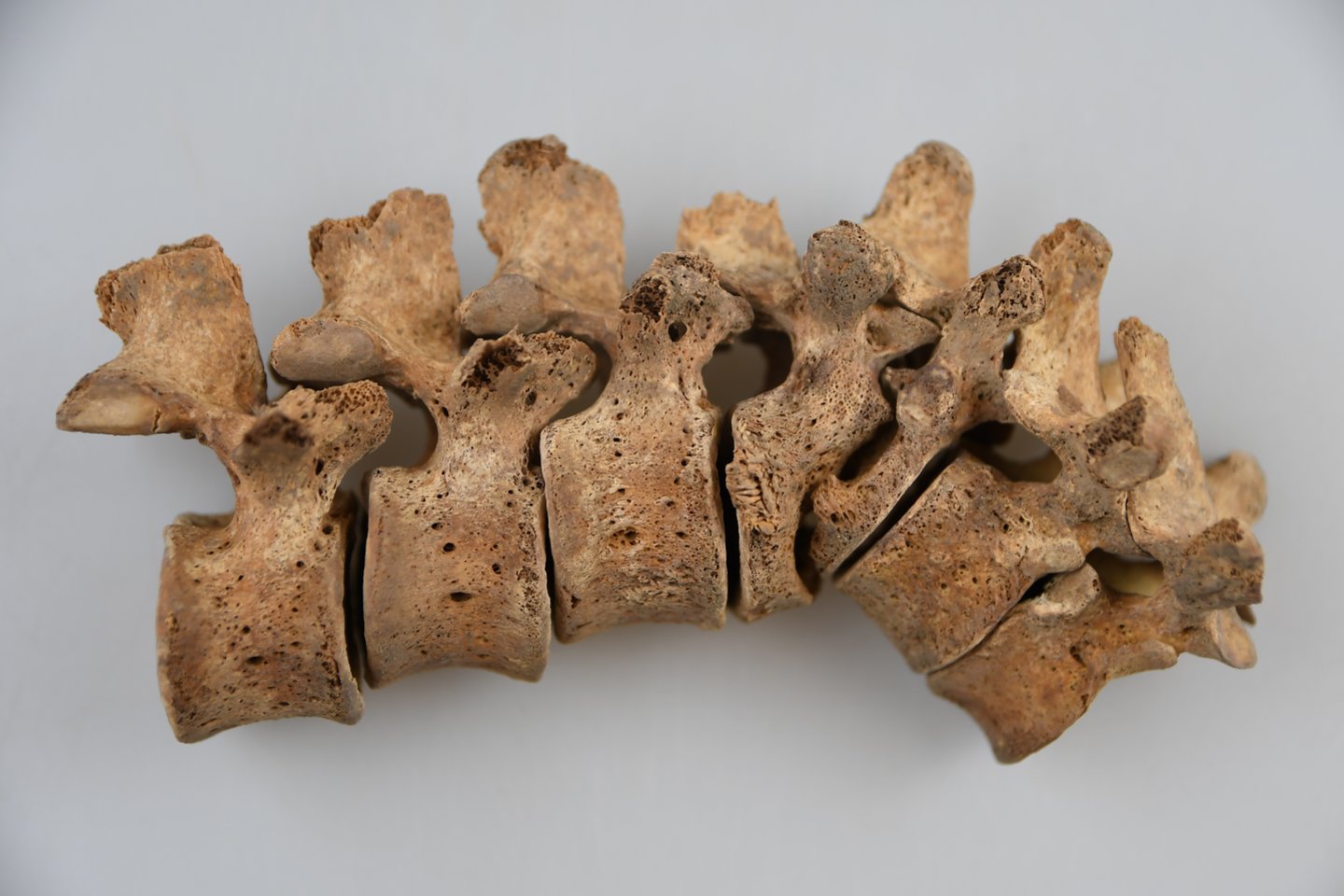
The most common infectious disease identified among the sample of past Vilnius residents was tuberculosis. Researchers identified 17 cases of chronic pleurisy, 17 cases of spinal tuberculosis and one case of tuberculosis affecting the knee joint. Since only a small proportion of tuberculosis cases left traces on the skeleton, researchers assume that the actual number of people affected may have been many times higher. This suggests that tuberculosis was one of the most significant public health problems in historic Vilnius.
Eight cases of tertiary syphilis were also identified, mainly in the remains of 17th–18th century Vilnius residents. These findings corroborate historical sources documenting the spread of the disease during this period. A dozen or so tumours, mostly benign, were also diagnosed, along with just one case of metastatic cancer of unknown origin.
Dental examinations also provided important information. Researchers identified that dental diseases were most prevalent in the 13th–15th centuries. Subsequently, the situation improved significantly, but dental problems increased again during the 17th–18th centuries. Individuals of higher social status generally exhibited better oral health. Women suffered from dental diseases more frequently than men. According to the researchers, these differences reflect broader inequalities in the quality of life and access to resources. Further research is currently underway focusing on other dental conditions such as periodontal disease and dental plaque.
A more detailed and accurate assessment of disease prevalence is possible through the application of molecular biology and palaeogenetics methods, which currently are still under development and only just beginning to be applied. According to Prof. Jankauskas, these studies represent a future direction for researchers.
Remains of foreigners were also identified
One of the most striking parts of the research project was the study of migration. Using strontium and oxygen isotope analysis, carried out in the laboratory of Prof. Christophe Snoeck at the Free University of Brussels, researchers were able to identify individuals who had not spent their childhood in Vilnius.
Notably, some visitors to the city in later periods were buried under unusual circumstances. According to Jankauskas, one such case involved the remains of three young men discovered in Vilnius Cathedral: „At this burial site for high-ranking clergy and members of the social elite, individuals of clearly non-local origin were identified. Isotope analysis revealed that they may have originated from the east. What is particularly striking is that all three men were young, almost too young to have been members of the ecclesiastical hierarchy typically buried in the Cathedral.“
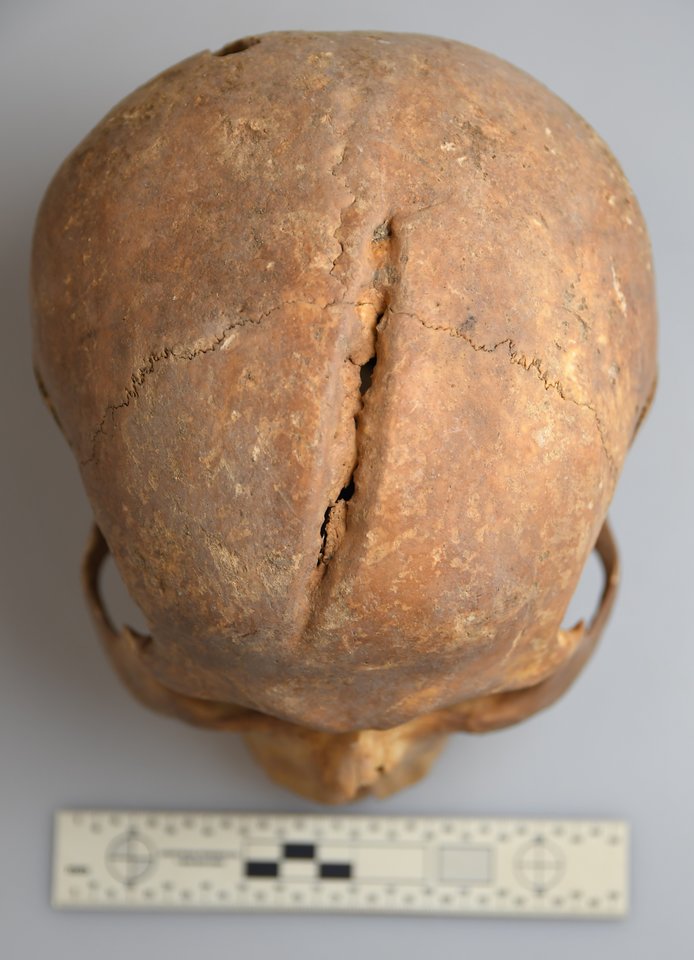
Photo by J. Kozakaitė.
Examination of another young man, buried in a mass grave on Polocko Street alongside three other individuals, revealed that he was of a more eastern and continental origin; and that his diet also differed markedly from that of local residents. This burial site in Vilnius appears to have been used only temporarily during the turmoil of the mid-17th century. According to researchers, this individual was likely a recent immigrant or refugee who died shortly after arrival and was interred in a mass grave.
The diet of some of these newcomers changed significantly over the course of their lives, suggesting not only geographical movement but also social mobility. This is the first time in Lithuania that isotopic analysis has enabled such a precise identification of individual first-generation migrants and their probable regions of origin.
„One young man, who had consumed a particularly high proportion of plant-based food during childhood, showed a significant increase in protein intake in the final years of his life. He was buried in a standard Orthodox cemetery on Subačiaus Street with two lead pellets (likely bullets) in his chest cavity, so he may have died from a gunshot wound. Meanwhile, two other men were buried at a site outside the city walls at Subačiaus Street 41, alongside several mass graves. Their heads had been severed. We might have suspected that they were foreigners, punished intruders, but according to isotopic data, they were local residents,“ Jankauskas commented regarding these varied findings.
The project will provide a basis for future research
Researchers at Vilnius University emphasise that the most important outcome of the project is not individual discoveries alone. „For the first time, a comprehensive, systematic and, internationally unique bioarchaeological database of Vilnius inhabitants has been created, covering more than 500 years of the town’s history. In the future, it will facilitate even more precise research into human health, social inequality, migration, the quality of life and biodiversity,“ Jankauskas explained.
The project has already yielded results within the international scientific community, with high-level scientific publications produced and pending based on this research. Most importantly, however, for the first time, it offers the opportunity not only to read historical sources about old Vilnius, but also to gain insight into the lives of its inhabitants through the biological traces they left behind, that have survived to this day.