
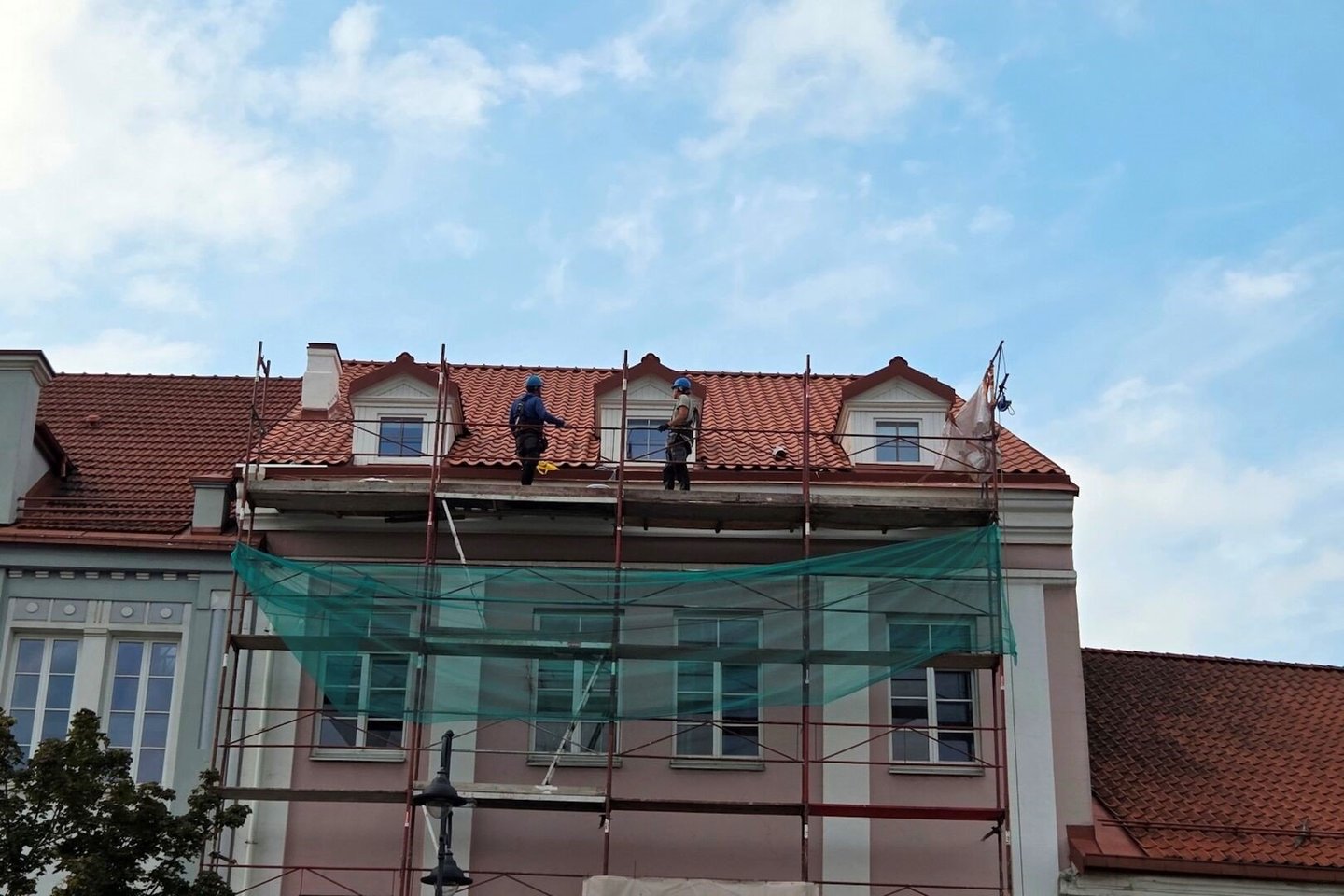
So far, some buildings have treated the long-term repair and maintenance plan as a formality or something best avoided, due to the widespread belief that it effectively amounts to ordering works that people naturally try to avoid unless necessary. However, in such cases, residents may be forced to take on maximum contribution obligations to ensure funds are available when urgent repair or maintenance work becomes unavoidable.
A long-term repair and maintenance plan is not an automatic order for works. It is a ‘map’ of the building’s technical condition, future works and funding needs.
‘Residents often fear not the plan itself, but what they imagine it entails: sudden work and large bills. In reality, a well-prepared plan does the opposite: it spreads work over time, clearly sets priorities and helps avoid situations where repairs become unavoidable at the last minute’, emphasises Andrius Soikinas, Development Project Manager at the building maintenance and engineering solutions group Civinity.
Susiję straipsniai



The first step is to order an assessment of the building’s condition
The preparation of a long-term repair and maintenance plan is based on an assessment of the building’s technical condition. Therefore, residents’ first question to the building administrator, association or person authorised under a joint activity agreement should be very specific: does the building have a recent technical condition assessment?
The assessment must show which parts of the building are most worn or damaged: the roof, façade, balconies, stairwells, pipes, heating or other engineering systems, common areas or other elements. Residents do not need to decide for themselves whether a defect is dangerous, but they do have the right to understand what has been identified in the building and what impact it may have on its condition.
Residents should clarify:
• when the last technical inspection was carried out;
• what defects were recorded during it;
• whether they are classified as urgent, planned, or for monitoring;
• which works are recommended first;
• how this information will be used when preparing the long-term repair and maintenance plan.
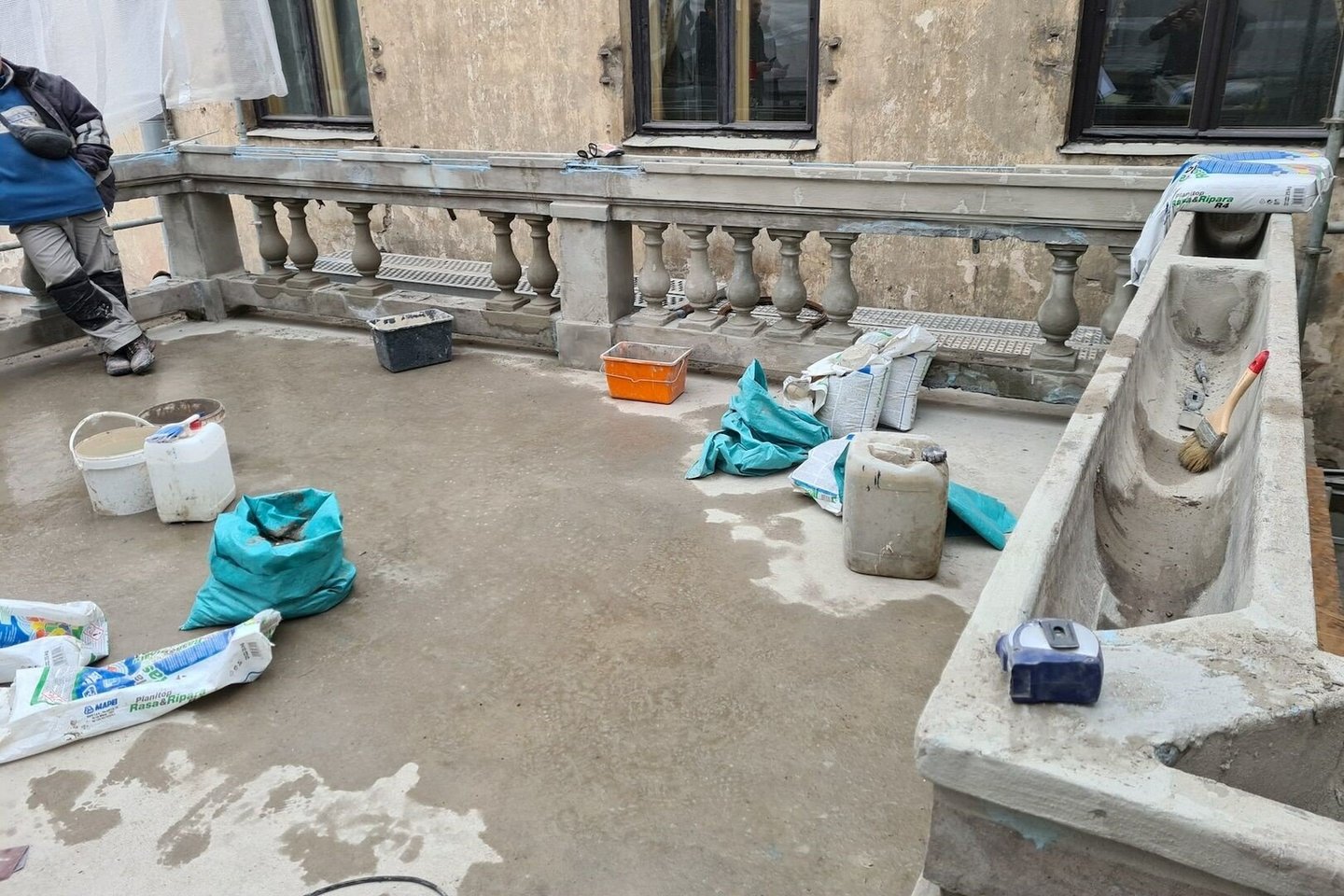
Step two: separate the long-term plan from the work orders
Preconceived notions are a common reason why decisions stall. If residents believe that approving the plan means automatically approving all the work, they tend to vote against it or not participate at all. However, the purpose of a long-term repair plan is to outline the sequence of work and the funding strategy for the next few years.
The plan must clearly indicate which works are necessary in the short term, which can be scheduled later, their preliminary costs, and the amount of savings required to prevent the building from incurring unexpected, large payments. Specific tasks, their scope and deadlines must still be organised according to established procedures, and residents must be informed about and involved in more significant decisions.
‘The plan can be compared to the building’s financial calendar. It doesn’t mean that everyone has to pay for everything tomorrow. It shows what lies ahead, in what order and for what purpose the building is saving money’, explains Mr. Soikinas.
The third step is to commission the preparation of the plan
If the building administrator or association says that the plan ‘will be prepared’, it is worth asking for a deadline. By 1 July, it is important to have not only an intention but also a draft document that residents can review.
The draft plan should include at least several clear elements:
• a summary of the building’s condition assessment;
• a list of works ranked by priority;
• a preliminary cost estimate for each work;
• a proposed implementation timeline;
• a proposed reserve fund contribution rate;
• an explanation of why the works are sequenced in that way.
If the plan contains only a list of works without any underlying logic, it is difficult for residents to trust it. If it consists solely of technical terms without explanation, it becomes not a decision-making tool but just another incomprehensible document. Therefore, the plan must not only be prepared but also explained in clear, understandable language.
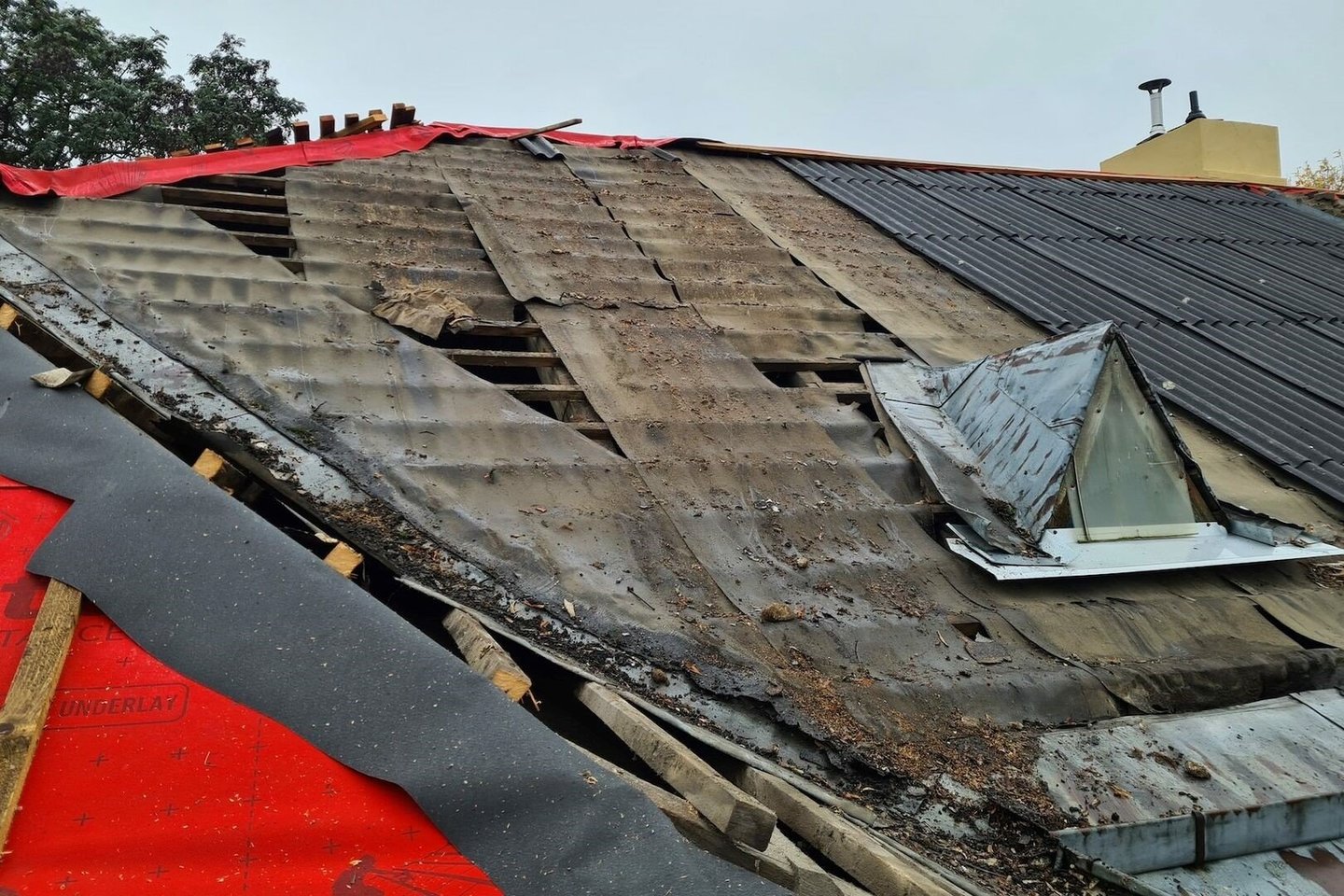
The fourth step is to take part in the vote
Even the best plan will make no difference if residents do not take part in decision-making. The long-term repair and maintenance plan is approved by the owners of apartments and other premises, either at a meeting or through written voting. Therefore, in this case, passivity is not neutral. If no decision is made and the building’s condition is not good, higher reserve contributions may apply from July.
Residents should check in advance whether they are receiving information about votes, whether their contact details are up to date, and whether they understand what they are voting on. If there are any doubts, it is better to ask before the vote rather than after, when a decision has already been made or rejected.
The fifth step is to agree on how the plan will be reviewed
A long-term repair and maintenance plan should not become a document that is approved once and then put away in a drawer. A building’s condition changes, costs change and some works may be completed earlier while others are postponed. Therefore, residents should agree from the outset on how often the plan will be reviewed, how completed works will be reported and how it will be assessed whether the reserve funds are sufficient.
This is especially important for older buildings, where technical issues are usually more numerous. For newer or renovated apartment blocks, the situation is generally more favourable, as there is less need for urgent works. However, planning is still necessary even for these buildings – the content and pace of contributions may differ.
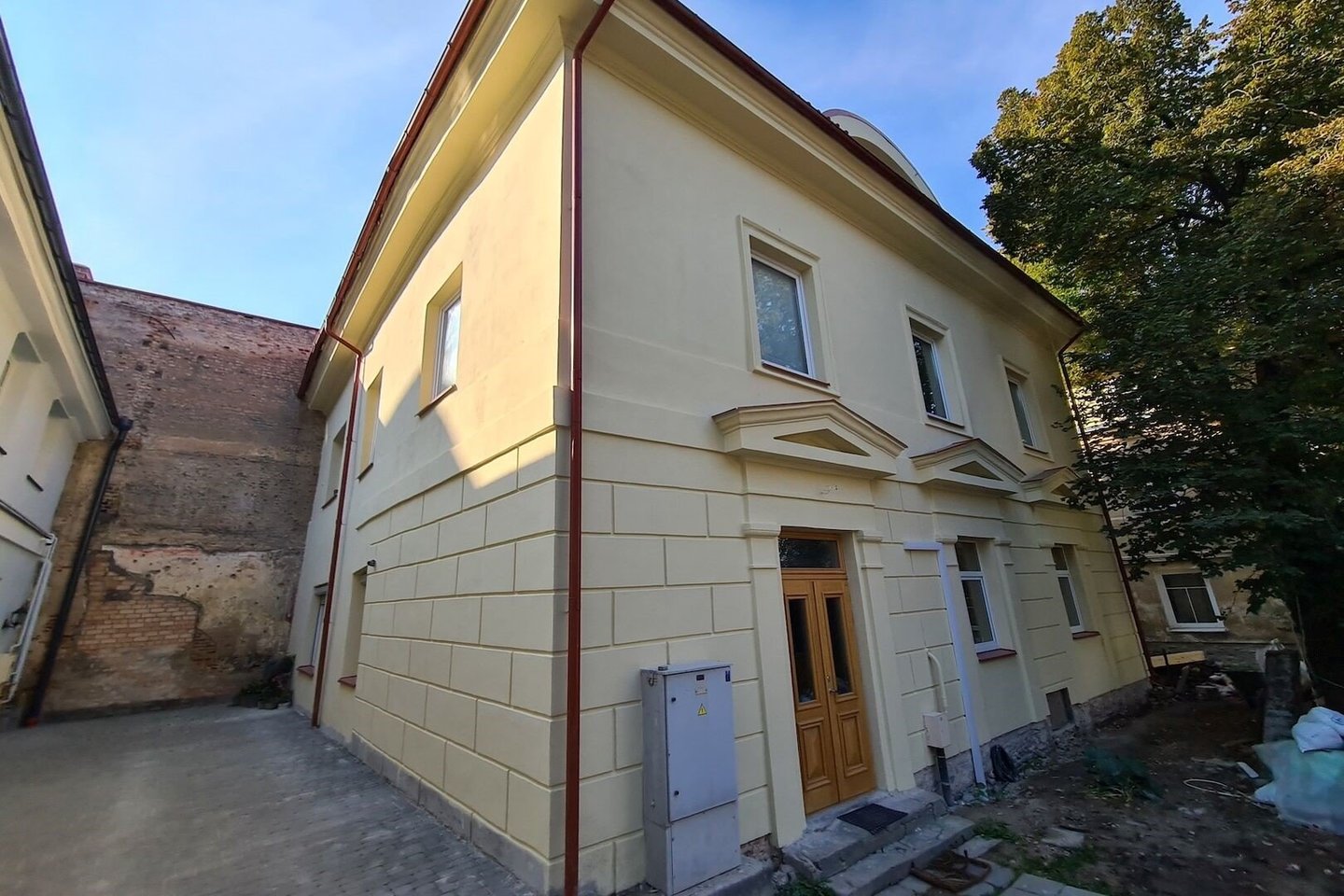
What residents should do this week
If the building does not yet have an approved long-term repair and maintenance plan, it is not worth waiting until July. First, residents should contact the building administrator or association and request three items: the latest technical condition assessment, the deadline for preparing the draft long-term repair and maintenance plan and the date the plan will be submitted for a vote.
‘Delays are usually what cost the most. When residents can see the condition of the building, understand the sequence of works and take part in voting, decisions become more informed, clearer for everyone and easier to accept. When all this is postponed, what appears on the bill is not planning, but consequences’, emphasises Andrius Soikinas, Development Project Manager at Civinity.
Before 1 July, the most important thing for apartment buildings is not to argue about whether a long-term repair and maintenance plan is necessary. The priority is to ensure that the building’s condition has been assessed, a plan based on it has been prepared and that residents have taken a decision on it. This does not guarantee that the building will not require expenditure – but it is a way to manage those costs rather than face them later through defects, deadlines and higher tariffs.
Reminder: how reserve fund contributions are changing
From 1 January 2026, for some buildings the reserve contribution will be recalculated to a new mandatory minimum of EUR 0.1025 per sqm (instead of the previous rate, for example, EUR 0.0923 per sqm).
Important: if a building is already contributing more than the new minimum rate, there may be no change in the bill, as the minimum acts as a ‘floor’.
Reserve contributions are calculated as follows: monthly payment = rate (EUR/sq. m) × apartment area (sqm). For example, for a 40 sqm apartment, the monthly contribution increases by EUR 0.41; for a 50 sqm apartment, by about EUR 0.51; for a 60 sqm apartment, by about EUR 0.62; and for an 80 sqm apartment, by EUR 0.82.
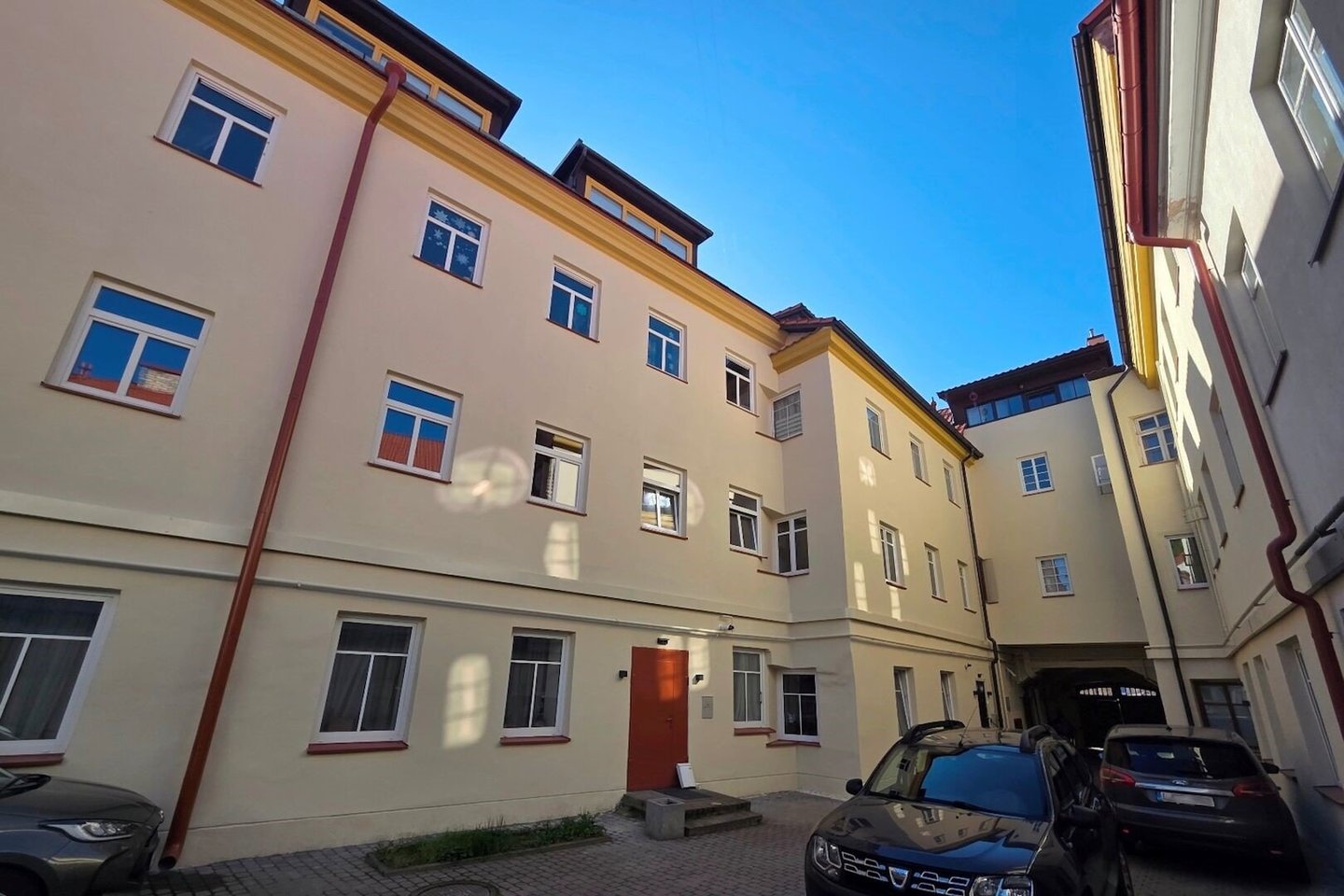
From 1 July 2026, reserve contributions may increase further: depending on the building’s condition, multipliers may be applied to the state-set minimum rate:
• Good condition – the base rate remains unchanged;
• Moderate condition – the rate may double;
• Poor condition – the rate may triple;
• Very poor condition – the rate may quadruple.
In practical terms, if the base rate is EUR 0.1025/sqm a 50 sqm apartment would pay approximately EUR 5.13, EUR 10.25, EUR 15.38 or EUR 20.50 per month depending on the building’s condition.